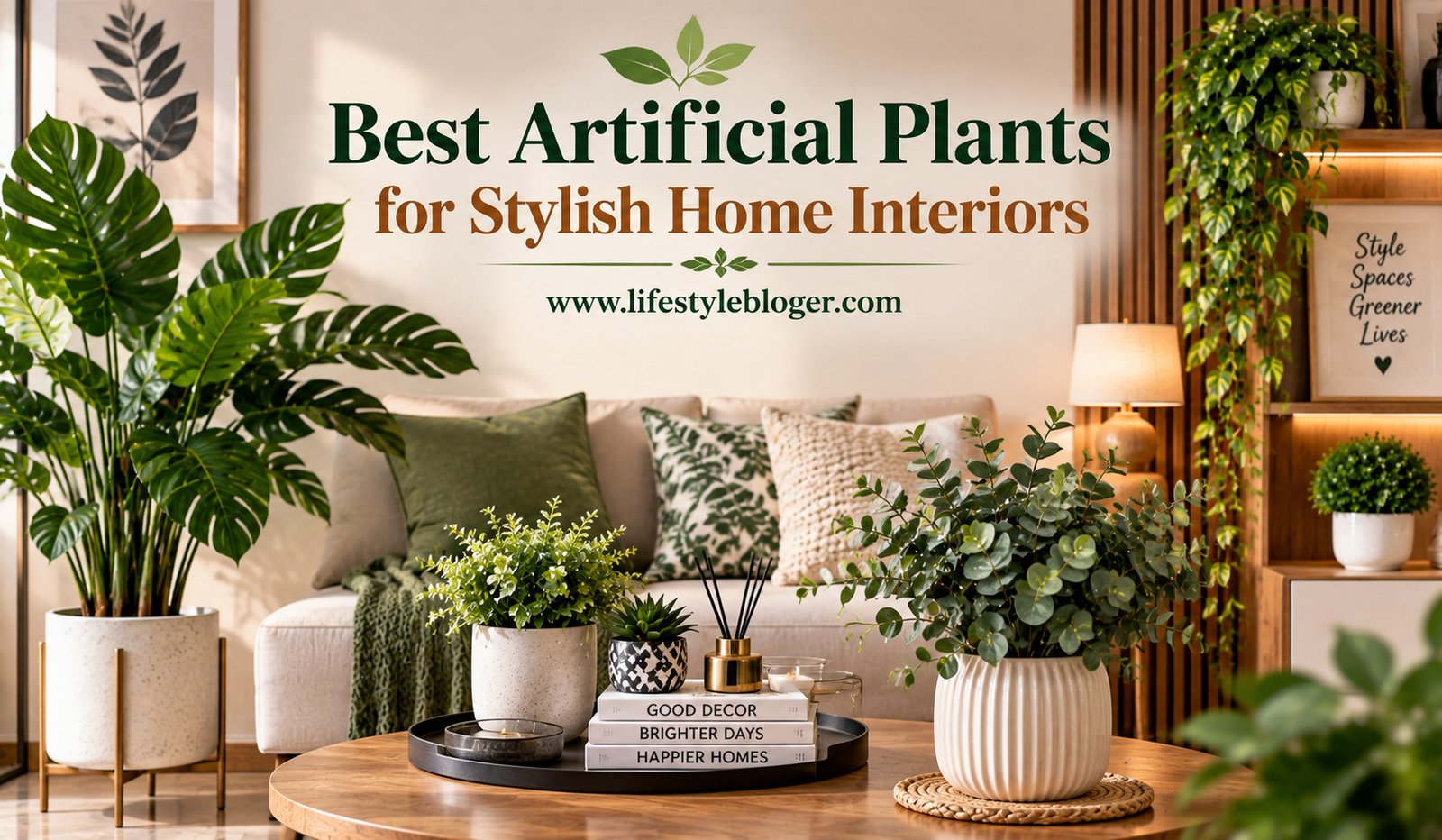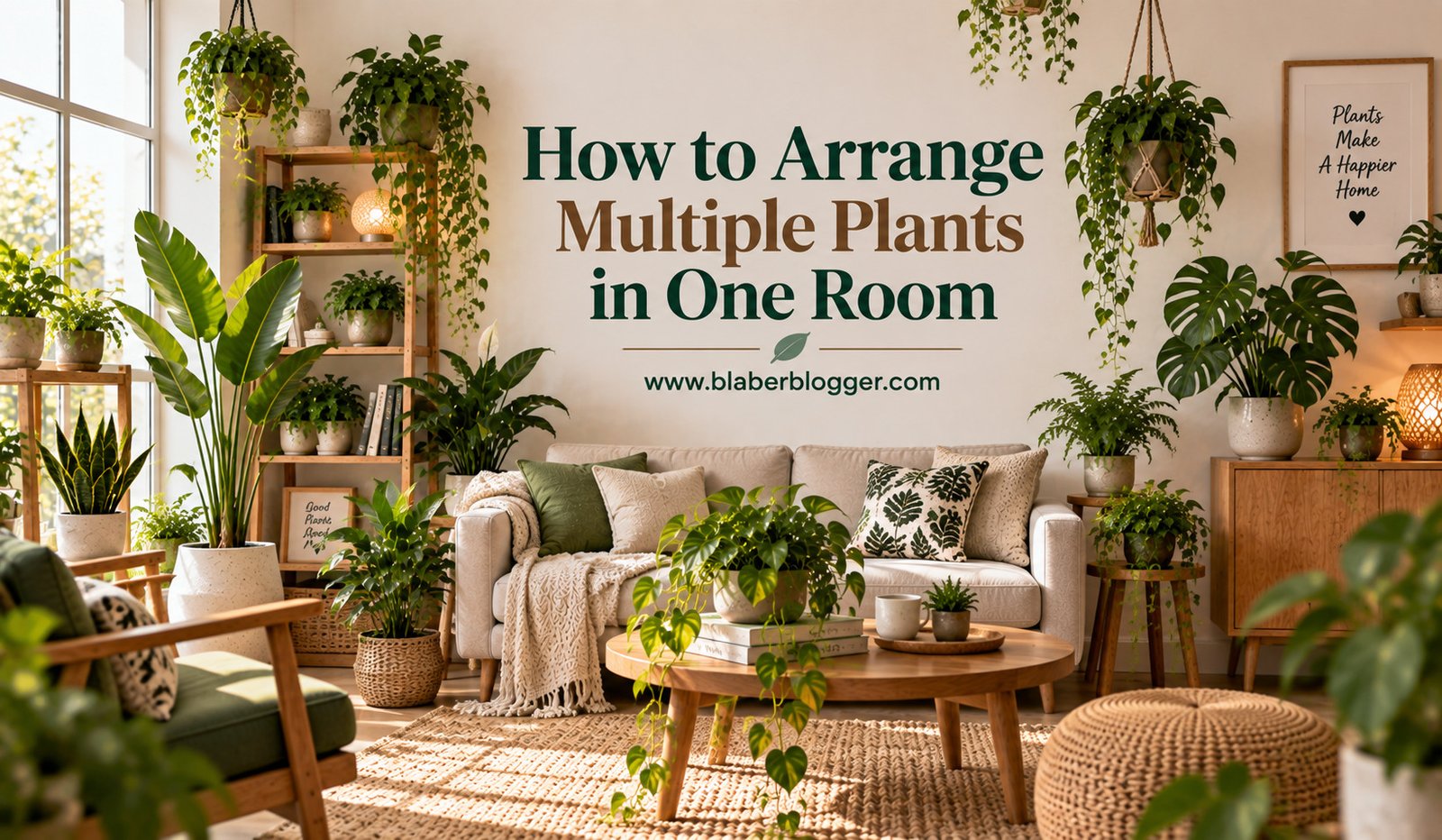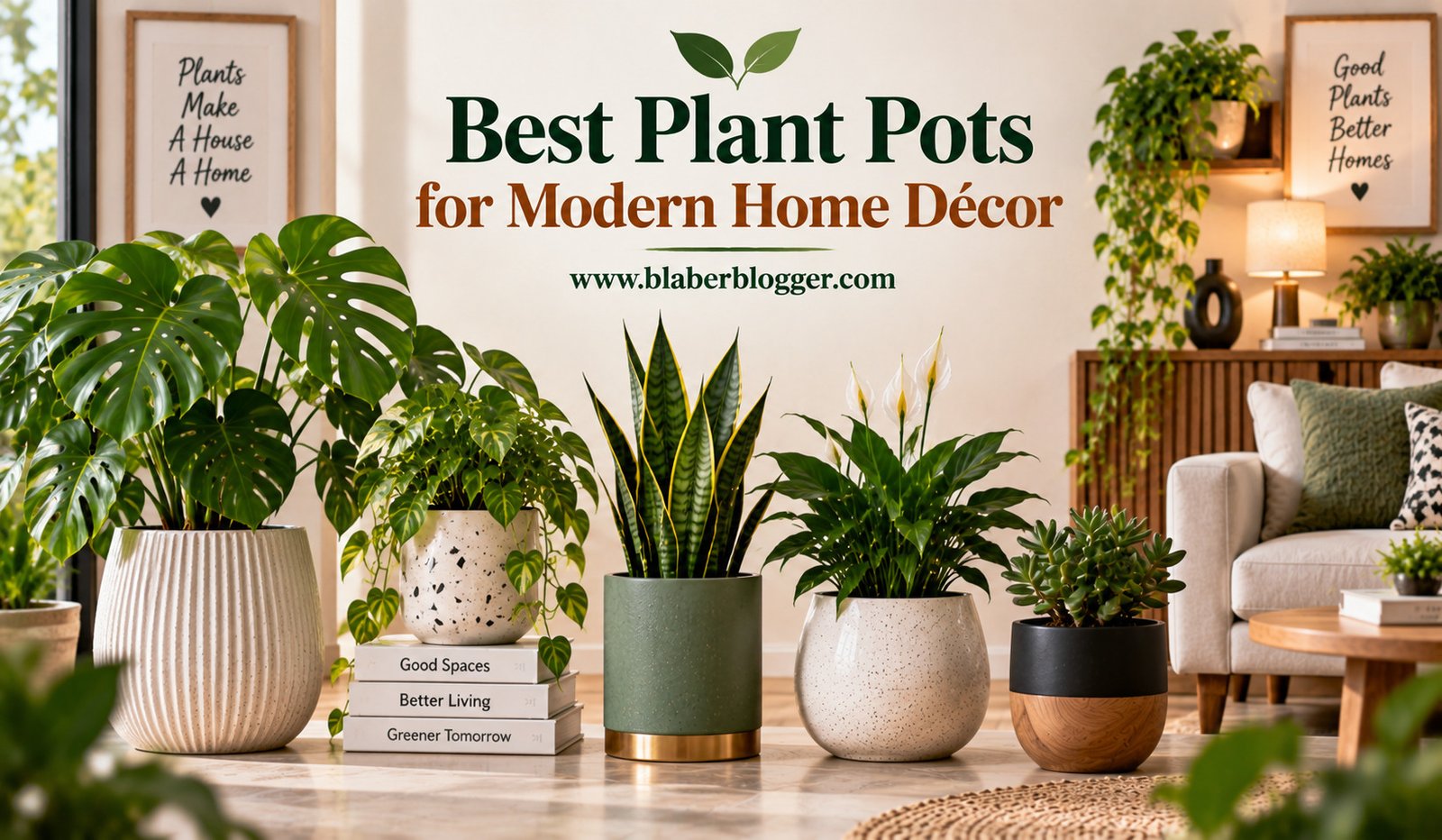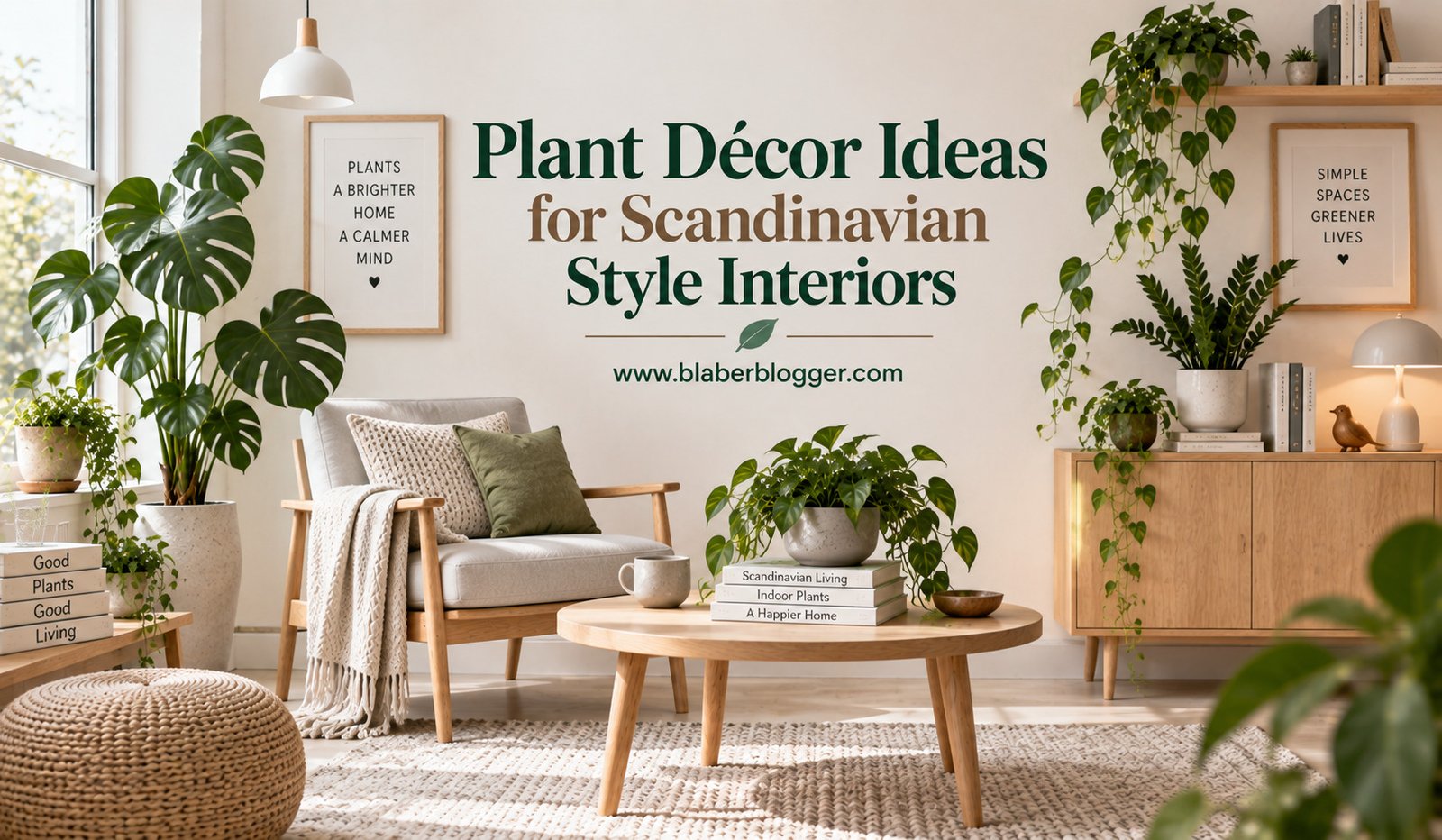
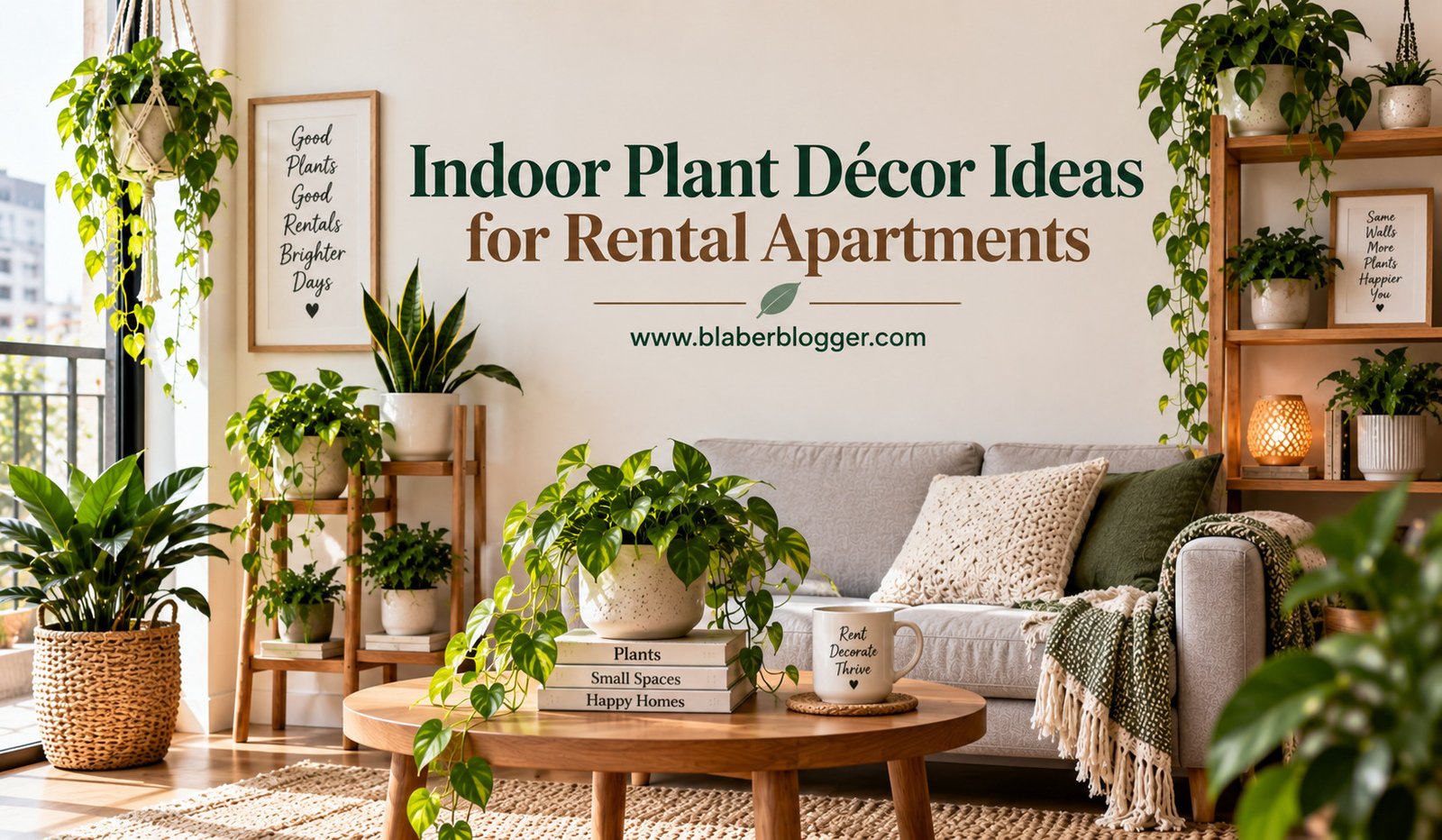
Decorating a rental apartment can be challenging when you want to create a personal and stylish space without making permanent changes. Indoor plants offer one of the easiest solutions. They bring natural color, texture, and warmth into a home while allowing renters to refresh their interiors without drilling holes, painting walls, or replacing fixtures.
From small plants on shelves to tall greenery in empty corners, plants can make a rental apartment feel more comfortable and lived-in. With the right containers, stands, and placement, you can create an attractive indoor garden while keeping the apartment practical and easy to restore when it is time to move.
Why Indoor Plants Are Ideal for Rental Apartments
Plants are flexible décor elements. Unlike permanent furniture or wall treatments, they can be moved whenever you want to change the layout. This makes them particularly useful in rental homes where decorating options may be limited.
Greenery can also help soften plain walls, basic furniture, and standard rental finishes. A few well-placed plants can add personality without changing the structure of the apartment.
Another advantage is that plants come in many sizes. You can decorate a compact studio with tabletop plants or use larger floor plants to fill spacious corners in a larger apartment.
Choose Plants Based on Your Apartment’s Light
Before buying plants, look around your apartment and notice where natural light enters throughout the day. Different plants have different light requirements, so choosing varieties that suit your existing conditions will make care easier.
Bright windows can support plants that prefer stronger natural light, while lower-light areas may be better suited to adaptable foliage plants. Avoid placing a plant in a dark corner simply because it looks attractive there.
Make the Most of Window Areas
Windowsills, nearby shelves, and small tables can become natural plant displays. Compact plants can be arranged along a bright window while leaving enough space for curtains and everyday use.
If your rental has limited windows, use the available light strategically rather than filling every bright area with plants. Rotating plants occasionally can also help maintain a balanced arrangement.
Decorate Empty Corners With Floor Plants
Empty corners are common in rental apartments, especially in living rooms and bedrooms. A tall indoor plant can fill these areas without requiring permanent fixtures.
Plants with upright growth work particularly well beside sofas, cabinets, desks, or TV units. A decorative planter can make the arrangement feel like a deliberate design feature rather than simply a plant placed in an unused area.
For small apartments, choose plants with a narrow growth pattern so they add height without taking up too much floor space.
Use Plant Stands Instead of Wall Fixtures
Renters often avoid wall-mounted planters because drilling may not be allowed. Plant stands provide an easy alternative while still allowing you to create height.
A wooden, metal, or minimalist plant stand can elevate a small plant and make it more visible. Grouping stands at different heights can create a layered display without permanently changing the apartment.
Plant stands are also easy to move when cleaning, rearranging furniture, or preparing to move out.
Create a Green Shelf Display
Open shelves are excellent for rental-friendly plant décor. They allow you to introduce greenery without attaching anything to the walls.
Mix small plants with books, framed artwork, baskets, and decorative objects. Rather than placing a plant on every shelf, leave some empty spaces to create visual balance.
Trailing plants can be especially attractive on higher shelves because their leaves naturally fall downward and soften the edges of furniture.
A simple shelf arrangement can include:
- A compact foliage plant on the lower shelf.
- A trailing plant near one side.
- A small decorative planter beside books.
- Empty space between plant groups.
Style Plants on Rental-Friendly Furniture
Side tables, coffee tables, consoles, cabinets, and desks can all become temporary plant displays. This approach is useful because the furniture can be rearranged without making changes to the property.
For smaller surfaces, choose compact plants that will not interfere with everyday activities. A small ceramic pot on a side table can provide a subtle decorative touch, while a larger tabletop plant can become a focal point on a spacious console.
Always use a saucer or waterproof tray beneath pots to protect rented furniture from moisture.
Use Hanging Plants Without Permanent Damage
Hanging plants can add another layer of greenery, but renters need to be careful about drilling into ceilings or walls. Instead, consider freestanding structures, removable hanging solutions where permitted, or tall shelving units that allow trailing plants to hang naturally.
A tall bookshelf with a trailing plant positioned near the edge can create a hanging effect without requiring permanent installation.
This approach works particularly well in living rooms and home offices where vertical space is available.
Select Decorative Pots That Match Your Interior
Pots can help transform simple plants into attractive décor. Since rental apartments often have neutral finishes, planters are an easy way to introduce personality.
Choose pot colors that complement your furniture and existing accessories. Neutral ceramic pots can create a clean appearance, while terracotta containers add warmth. Textured or patterned pots can be used when the room needs more visual interest.
| Apartment Style | Suitable Pot Style | Plant Arrangement |
| Modern | Matte neutral pots | Simple foliage |
| Boho | Woven or textured pots | Layered greenery |
| Minimalist | White or black ceramic | Few statement plants |
| Rustic | Terracotta pots | Natural foliage |
| Small Studio | Lightweight planters | Compact plants |
Create a Plant Corner in a Small Apartment
If you have several plants but limited space, dedicate one small corner to greenery instead of spreading them throughout the apartment.
Use a combination of floor plants, plant stands, and small containers to create different levels. Keeping the collection together can make it feel like a purposeful indoor garden.
A small plant corner can also be placed beside a reading chair, near a window, or next to a balcony door. Make sure the arrangement does not block walkways or access to doors.
Decorate the Bedroom With Small Plants
Bedrooms can benefit from subtle greenery. Small plants on bedside tables, dressers, or shelves can introduce natural texture without making the room feel crowded.
Choose compact plants that suit the available light and do not require constant attention. A simple planter in a soft neutral shade can complement bedding and other bedroom décor.
Instead of filling the room with greenery, select one or two plants and give them enough space to stand out.
Make a Rental Kitchen Feel Fresher
The kitchen is another useful location for small indoor plants. Herbs and compact foliage plants can add freshness to windowsills, counters, and open shelves.
A small collection of pots can also make plain kitchen surfaces feel more personalized. However, keep plants away from excessive heat, splashing water, and areas where they could interfere with food preparation.
A few carefully placed plants are usually more effective than covering every available surface.
Use Plants to Soften Basic Rental Furniture
Rental apartments often come with standard furniture or finishes that may not match your personal style. Plants can help soften these elements without requiring replacement.
For example, a tall plant beside a basic sofa can add height and texture. A small plant on a plain desk can make the workspace feel more inviting. Greenery can also break up large areas of neutral-colored furniture.
The trick is to repeat greenery throughout the room without creating too much visual clutter.
Protect Floors, Walls, and Furniture
Because rental properties need to remain in good condition, plant care should include protecting the apartment itself. Water spills, soil, and scratches can damage floors and furniture.
Use waterproof saucers under pots and trays beneath larger containers. Plant stands with protective feet can help prevent scratches on flooring.
Keep a small cleaning cloth nearby so accidental spills can be handled quickly. These simple habits make it easier to enjoy plants without worrying about damage.
Keep Your Plant Collection Easy to Move
One of the biggest advantages of rental-friendly plant décor is flexibility. Avoid creating arrangements that are extremely heavy or difficult to disassemble.
Choose lightweight containers for frequently moved plants and avoid overcrowding a single shelf or stand. If you know you may move apartments in the future, keeping plant collections organized in portable groups can make the process much easier.
Consider these renter-friendly approaches:
- Use lightweight pots for larger plants.
- Choose freestanding furniture instead of permanent fixtures.
- Keep plant groupings easy to rearrange.
- Use trays when several small pots are displayed together.
Common Mistakes to Avoid
One common mistake is buying too many plants before understanding the apartment’s lighting conditions. Start with a few suitable varieties and expand gradually.
Another issue is overcrowding. Plants need room to grow, and a room packed with containers can quickly feel smaller. Leave clear pathways and maintain open areas around furniture.
It is also important not to ignore drainage. Decorative containers should have suitable drainage or be used as outer covers for pots that allow excess water to escape.
Frequently Asked Questions
1. What are the best plants for rental apartments?
Compact snake plants, pothos, ZZ plants, spider plants, peperomia, and similar adaptable varieties can work well. The best choice depends on the apartment’s light and your care routine.
2. How can I decorate with plants without drilling holes?
Use plant stands, bookshelves, cabinets, tables, and freestanding structures. Trailing plants can be positioned on shelves to create a hanging effect without permanent wall fixtures.
3. How many plants should I have in a small rental apartment?
There is no fixed number. Start with a few plants that fit your available space and light. It is better to have a small, well-arranged collection than too many crowded containers.
4. How do I protect a rental apartment from plant water damage?
Use waterproof saucers, trays, and protective mats beneath pots. Clean up spills quickly and avoid placing wet containers directly on wooden furniture or sensitive flooring.
5. Can plants make a small rental apartment look bigger?
Yes. Tall plants can draw attention upward, while carefully placed greenery can add depth and soften furniture. Avoid overcrowding, as too many plants may make a small room feel tighter.
Final Thoughts
Indoor plants provide renters with a simple way to personalize their apartments without making permanent changes. They can brighten empty corners, soften basic furniture, decorate shelves, and add natural texture to bedrooms, kitchens, living rooms, and workspaces.
The best rental-friendly plant décor combines attractive styling with practicality. Choose plants according to available light, use movable stands and furniture, select decorative pots that complement your interior, and protect surfaces from water and soil.
With a thoughtful approach, even a simple rental apartment can become a warm, stylish, and inviting home filled with natural character.