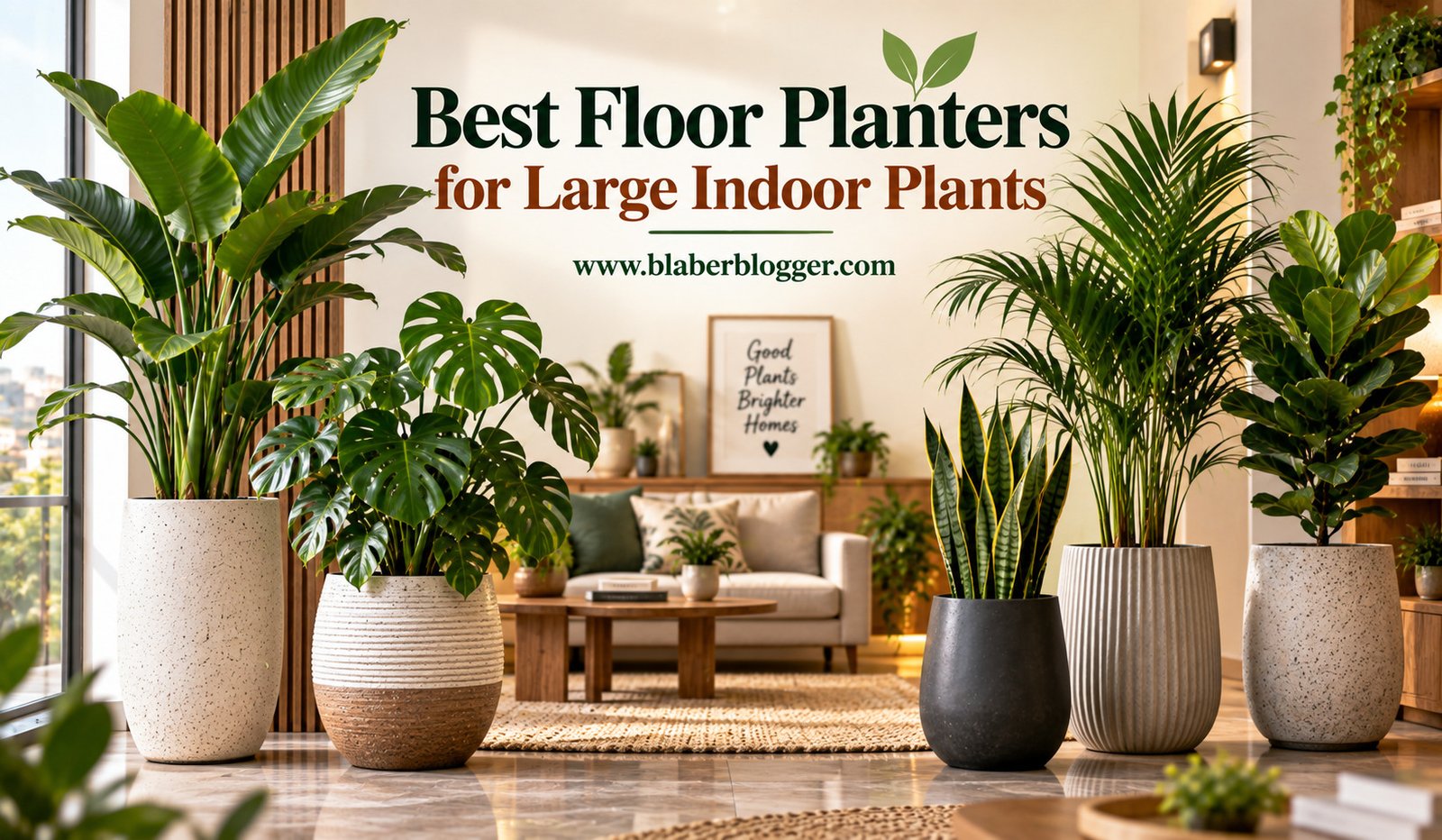
Large indoor plants can instantly transform a room. A tall monstera, fiddle leaf fig, rubber plant, palm, or bird of paradise can fill an empty corner, soften furniture, and create a strong connection with nature. However, a beautiful large plant needs the right floor planter to look balanced and remain healthy.
Choosing a planter is not simply about finding the largest or most attractive container. Size, shape, material, drainage, stability, and interior style all matter. A planter that is too small can make a tall plant look unstable, while an oversized container can overwhelm the room or hold more moisture than the plant needs.
The right floor planter should support the plant while becoming an attractive part of the overall décor.
Why Floor Planters Are Important for Large Plants
Large indoor plants have considerable visual and physical weight. Their containers need to provide enough support for the plant without making the room feel crowded. A well-proportioned floor planter gives the plant a stronger presence and helps establish it as a focal point.
Floor planters can also define empty areas. A large plant placed beside a sofa, console, window, or reading chair can make an unfinished corner feel intentional. Instead of treating the planter as a simple plant container, think of it as another piece of furniture.
The best designs combine functionality with decorative appeal. Materials such as ceramic, resin, fiberglass, metal, and textured composites offer different appearances and levels of practicality.
Best Types of Floor Planters for Large Indoor Plants
There is no single planter style that works for every home. The ideal choice depends on the size of your plant, room layout, and decorating style.
Large Ceramic Floor Planters
Ceramic planters are a popular choice for elegant interiors. Their smooth surfaces, rich finishes, and variety of shapes make them suitable for contemporary and traditional homes.
Large ceramic containers can provide excellent visual weight for tall plants. Neutral shades such as white, beige, gray, and charcoal can keep the arrangement sophisticated, while colored or textured finishes can become a stronger decorative feature.
Because large ceramic planters can be heavy, consider their final weight after adding soil and the plant before deciding where to position them.
Lightweight Fiberglass Planters
Fiberglass is useful when you want the appearance of a substantial planter without excessive weight. This makes it practical for apartments and spaces where large containers may need to be moved.
Fiberglass planters are available in simple geometric shapes as well as more sculptural designs. Their clean appearance works particularly well with large leafy plants in modern interiors.
Resin and Composite Planters
Resin and composite containers can provide durability with relatively easy handling. They are available in finishes that imitate stone, concrete, ceramic, or other materials.
These planters are especially useful for large indoor plants because they can provide a stable base without the weight associated with solid stone or concrete.
Metal Floor Planters
Metal planters can introduce a modern architectural quality to indoor spaces. Black, bronze, brass, and muted metallic finishes can contrast beautifully with green foliage.
They are particularly effective with plants that have strong shapes, such as snake plants, palms, or upright dracaenas. If the planter is positioned in a bright area, consider how heat from direct sunlight could affect the container and plant.
How to Choose the Right Planter Size
Size is one of the most important considerations when selecting a floor planter. The container should provide sufficient room for the plant’s roots while remaining proportional to the plant and room.
A common mistake is choosing an extremely large pot simply because the plant itself is large. Excess soil can retain moisture for longer periods, which may create problems for plants that prefer controlled watering.
For repotting, move to a moderately larger container rather than dramatically increasing the size. If you are using a decorative planter as a cover, the existing nursery pot can remain inside.
| Large Indoor Plant | Suitable Planter Style | Ideal Visual Shape |
| Fiddle Leaf Fig | Ceramic or fiberglass | Wide and stable |
| Monstera | Resin or ceramic | Rounded or wide |
| Rubber Plant | Composite or ceramic | Deep and sturdy |
| Bird of Paradise | Large ceramic or fiberglass | Wide and tall |
| Indoor Palm | Resin or ceramic | Deep container |
| Dracaena | Metal or composite | Tall and narrow |
| Large Snake Plant | Ceramic or resin | Upright and stable |
Always consider the mature size of the plant rather than its current appearance when planning future growth.
Choose a Shape That Complements the Plant
The shape of the planter can change the entire appearance of a plant. Tall, narrow planters can emphasize vertical growth, while wider containers provide a grounded appearance.
A broad planter works well for plants with large, spreading foliage because it balances their visual weight. Tall cylindrical planters can complement plants with upright stems and narrow leaves.
Rounded containers can soften modern furniture with sharp lines, while square or rectangular planters can reinforce a structured contemporary interior.
Match Height With Furniture
Think about nearby furniture when selecting planter height. A very tall container beside a low sofa can create a dramatic vertical effect, while a medium-height planter may feel more balanced next to a tall cabinet.
The goal is not to make every element the same height. Instead, use different levels to create a natural visual rhythm.
Consider Stability for Tall Indoor Plants
Large plants can become top-heavy as their foliage develops. A planter with a stable base is therefore essential.
Wide-bottomed containers generally provide better stability than extremely narrow vessels. The material also matters because heavier planters can help anchor tall plants.
For high-traffic areas, position large planters where they are less likely to be bumped. Avoid blocking doorways, narrow walkways, or frequently used furniture.
If the plant is particularly tall or has a broad canopy, consider a container with a substantial footprint rather than focusing only on its decorative appearance.
Drainage Is Essential
A stylish planter is not useful if it creates poor growing conditions. Large indoor plants need appropriate drainage so excess water does not remain around their roots.
If your decorative floor planter has drainage holes, place a suitable tray underneath it to protect the floor. If it does not have drainage, consider using it as a decorative outer container with the plant remaining in a draining nursery pot.
This double-container approach can also make moving and repotting large plants easier.
Protect flooring with:
- Waterproof saucers or trays.
- Protective mats beneath heavy containers.
- Inner nursery pots with drainage.
- Regular checks for standing water.
These small precautions are particularly important for wooden floors, rugs, and other surfaces that can be affected by moisture.
Best Floor Planters for Different Interior Styles
Your planter should feel connected to the rest of your décor.
Modern Interiors
Modern rooms often benefit from simple planters with clean silhouettes. Matte black, white, gray, and neutral finishes work well with contemporary furniture.
A tall cylindrical planter paired with a large leafy plant can create a sophisticated focal point without adding unnecessary decoration.
Bohemian Interiors
Boho-style rooms can accommodate more texture and variation. Woven-look planters, earthy ceramic containers, terracotta-inspired finishes, and natural textures can work beautifully with lush plants.
The relaxed appearance of these materials pairs particularly well with trailing or broad-leaf greenery.
Minimalist Interiors
For minimalist spaces, fewer plants often create a stronger effect. Choose one large statement plant and place it in a simple planter with a restrained finish.
The empty space around the planter becomes part of the design, helping the plant stand out without making the room feel crowded.
Use Large Planters to Decorate Empty Corners
An empty corner can become one of the best locations for a large floor plant. Instead of filling the space with multiple decorative items, one substantial plant can provide height, color, and texture.
Place a tall planter near a window if the plant requires bright light. For rooms with moderate light, choose a suitable plant and position it according to its needs.
A corner plant can also balance large furniture. For example, a tall plant beside a sofa can soften the transition between the furniture and an empty wall.
Create Grouped Plant Displays
If you have several indoor plants, combine different sizes rather than using identical planters throughout the room. One large floor planter can serve as the anchor while smaller plants provide supporting layers.
Try grouping plants with different leaf shapes but compatible care requirements. This can create a more natural arrangement than using several identical specimens.
Keep enough space between containers so each plant remains visible. Overcrowding can make even a large room feel cluttered.
Common Mistakes to Avoid
Choosing a planter solely for its appearance is one of the most common mistakes. A beautiful container may still be unsuitable if it is unstable, lacks drainage, or is too large for the plant.
Another mistake is ignoring the final weight. Soil becomes considerably heavier when wet, and a large plant adds additional weight. Consider the flooring and location before positioning an oversized container.
Avoid placing large plants where they obstruct windows, doors, air vents, or walking paths. Good design should combine beauty with everyday practicality.
Frequently Asked Questions
1. What is the best material for large indoor floor planters?
Ceramic, fiberglass, resin, composite, and metal can all work well. Fiberglass and resin are useful when you want a large planter that is easier to move, while ceramic provides a more substantial decorative appearance.
2. How big should a floor planter be for a large indoor plant?
The planter should be appropriately sized for the plant’s root system rather than simply matching its height. When repotting, choose a container moderately larger than the existing root ball instead of jumping to an oversized pot.
3. Do large indoor planters need drainage holes?
Drainage is highly beneficial for healthy roots. If a decorative planter does not have drainage, use a separate inner pot with drainage and remove it for watering when necessary.
4. Which floor planter shape is best for tall plants?
Wide and stable planters are generally suitable for top-heavy plants, while deeper containers can work well for plants with more vertical root systems. The planter should complement both the plant’s growth pattern and the room.
5. How can I style a large planter in a small room?
Choose a planter with a compact footprint and use vertical growth to your advantage. Placing one statement plant in an empty corner can add height without filling too much floor area.
Final Thoughts
The best floor planters for large indoor plants combine stability, suitable sizing, practical drainage, and attractive design. Whether you prefer elegant ceramic, lightweight fiberglass, durable resin, or modern metal, the right container can turn a large plant into a major interior feature.
Consider the plant’s root space, mature size, shape, weight, and light requirements before choosing a planter. Then match its finish and proportions with your furniture and overall décor.
With the right floor planter, a large indoor plant can do more than add greenery. It can frame a room, fill an empty corner, create visual height, and bring a natural sense of balance to your home.