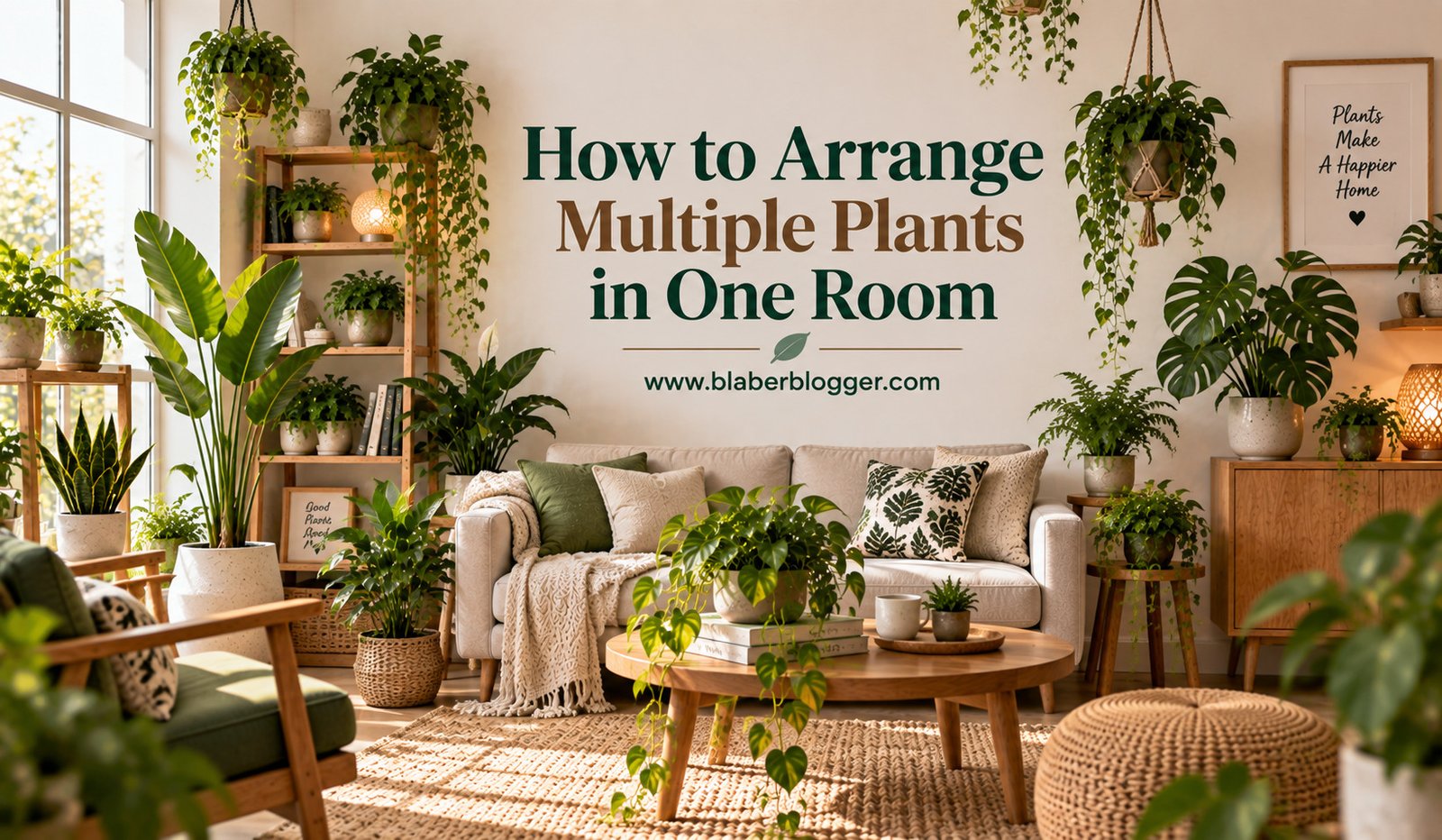
Bringing several plants into one room can completely transform the atmosphere of a home. Greenery adds freshness, texture, color, and natural character, but arranging multiple plants successfully requires more thought than simply placing pots wherever there is empty space. When plants are positioned with balance and purpose, they can make a room feel stylish, welcoming, and connected to nature.
The key is to create an arrangement that complements the room rather than overwhelming it. Plant size, height, color, pot design, available light, and furniture placement all influence how the final display looks. Whether you have a small collection of houseplants or a growing indoor jungle, a thoughtful arrangement can make every plant feel like part of the overall décor.
Why Plant Arrangement Matters
A room filled with plants can easily become visually crowded if every plant is placed at the same height or in random locations. Good arrangement creates structure and helps the eye move naturally around the space.
Plants can also be used to emphasize architectural features. A tall plant beside a window can draw attention upward, while smaller plants on shelves can add detail to otherwise plain walls. Trailing plants can soften hard furniture edges, and large floor plants can fill unused corners.
Instead of thinking about each plant separately, consider the entire room as one composition.
Start by Understanding the Room
Before moving your plants, look at the room from different angles. Identify areas that already feel visually busy and spaces that appear empty. Consider furniture, windows, doors, shelves, side tables, and walking paths.
Natural light is equally important. A beautiful arrangement will not remain attractive if plants are placed in unsuitable conditions. Group plants according to their light requirements rather than arranging them solely according to appearance.
For example, plants that prefer bright indirect light can be positioned closer to suitable windows, while tolerant varieties can occupy darker corners. This approach makes the display attractive while supporting healthier growth.
Create Different Plant Heights
One of the easiest ways to make multiple plants look organized is to vary their heights. If every plant sits at the same level, the arrangement can appear flat.
Combine tall floor plants with medium-sized plants on stands and smaller plants on tables or shelves. This creates layers and gives each plant enough visual space.
Use Tall Plants as Anchors
Large plants can act as the foundation of a room’s plant arrangement. A tall rubber plant, fiddle leaf fig, palm, or similar upright plant can fill an empty corner and provide a strong vertical element.
Place larger plants where they will not interfere with movement. Beside a sofa, near an open corner, or next to a cabinet can often work well.
Add Medium-Sized Plants
Medium plants help connect larger floor plants with smaller tabletop greenery. A plant stand can be particularly useful here because it raises the foliage and creates another visual level.
Medium plants can also be positioned beside furniture to make transitions between different areas feel more natural.
Finish With Small Plants
Small plants are ideal for shelves, desks, side tables, and cabinets. They provide detail without taking over the room.
Succulents, compact foliage plants, and small trailing varieties can work particularly well in these locations. Avoid placing too many tiny pots together unless you deliberately want a dense collection.
Group Plants in Odd Numbers
When several plants are displayed together, odd-numbered groupings can often create a more relaxed and natural appearance. A group of three plants, for example, can be arranged with one taller plant and two smaller ones.
The plants do not need to be identical. Variation in height, leaf shape, and pot design can make the grouping more interesting.
However, grouping does not mean pushing every pot together. Leave small gaps between containers so that each plant remains visually recognizable.
Match Plants With the Furniture
Plants should complement the furniture rather than compete with it. Consider the shape, height, and material of nearby furniture when deciding where to place greenery.
A tall plant can soften the straight lines of a modern cabinet. A rounded plant can balance a rectangular coffee table, while trailing foliage can add softness to a shelf filled with books and decorative objects.
Wooden furniture works naturally with greenery, while black, white, and neutral furniture can provide a clean backdrop for vibrant foliage.
Create a Simple Plant Arrangement Plan
A basic arrangement can be planned using three visual levels:
| Level | Suggested Placement | Purpose |
| High | Tall shelves or hanging planters | Adds vertical interest |
| Medium | Plant stands, cabinets, side tables | Connects different heights |
| Low | Floor and low tables | Creates visual grounding |
This layered approach prevents the room from looking too uniform. It also allows plants to occupy vertical space instead of taking up every available surface.
Use Plant Stands to Add Height
Plant stands are useful when several plants need to share a relatively small area. They allow you to raise certain plants without requiring larger pots.
A simple arrangement might include a tall plant on the floor, a medium plant on a stand beside it, and a small plant on a nearby table. This creates a gradual transition rather than a sudden difference in height.
Choose stands that complement the room. Wooden stands can add warmth, while metal or minimalist designs may suit contemporary interiors.
Use Shelves for Smaller Plants
Shelving is one of the most efficient ways to display several plants without filling the floor. It can turn an otherwise plain wall into a decorative green feature.
Mix upright and trailing plants to create variation. Avoid filling every shelf completely. Leaving some open space between plants, books, artwork, and decorative objects helps maintain balance.
A shelf arrangement should feel curated rather than crowded.
Arrange Plants Around the Seating Area
Living rooms often benefit from greenery around sofas and chairs because plants can make seating areas feel more inviting.
Instead of placing plants directly in front of furniture, position them beside or slightly behind it. A tall plant behind the corner of a sofa can create height, while a smaller plant on a side table can bring greenery closer to eye level.
Be careful not to block pathways or make the seating area difficult to use.
Create a Green Corner
If you have several plants but limited floor space, dedicate one corner of the room to greenery. This can create a strong focal point without spreading plants randomly throughout the space.
Use a combination of plant heights and container styles. A large floor plant can form the background, while smaller plants can occupy a stand or nearby surface.
Keep the surrounding area relatively simple so the plant corner becomes the main feature.
Mix Leaf Shapes and Textures
Plants become more visually interesting when their foliage varies. Combining broad leaves with narrow leaves, upright growth with trailing stems, and smooth foliage with textured leaves can create natural contrast.
However, too much variation can make the display look chaotic. Choose a few complementary plant types and repeat them throughout the room for consistency.
For a modern interior, you might combine a large-leaf plant with a narrow upright variety and one trailing plant.
Keep Plant Pots Coordinated
The pots do not have to match perfectly, but they should have some connection. Using completely different colors, materials, and patterns for every plant can make a room feel cluttered.
A better approach is to repeat one or two design elements. For example, several neutral pots in different shapes can create variety while maintaining visual unity.
Consider using decorative baskets around nursery pots when you want a warmer or more relaxed appearance.
Avoid Overcrowding
One of the biggest mistakes when arranging multiple plants is trying to display every plant at once. Plants need room to grow, and crowded arrangements can make maintenance more difficult.
Keep enough space between pots for watering, cleaning, pruning, and moving plants when necessary.
A useful approach is to start with your largest plants and then gradually add smaller ones. Stop when the room feels balanced rather than continuing until every empty surface is occupied.
Common Mistakes to Avoid
A beautiful indoor plant arrangement should also be practical. Watch out for these common problems:
- Placing plants where their light requirements cannot be met.
- Blocking windows, doors, or walking paths.
- Using too many plants of the same height.
- Mixing too many unrelated pot colors and styles.
- Ignoring the mature size of the plants.
- Creating crowded displays that are difficult to maintain.
The goal is not to maximize the number of plants but to make the available plants work well within the room.
Seasonal Rearrangement Can Refresh the Room
Indoor plant displays do not need to remain identical throughout the year. Rearranging plants occasionally can refresh the appearance of your room and help you respond to changing light conditions.
A plant that receives comfortable light during one season may need a different position later. Moving plants also gives you an opportunity to clean leaves, inspect pots, and make sure the arrangement still works with your furniture.
Small changes can make a familiar room feel completely different.
Frequently Asked Questions
How do I arrange plants of different sizes?
Start with the largest plant as an anchor and gradually add medium and small plants around it. Varying heights creates layers and prevents the arrangement from looking flat.
Should all plant pots match?
No. Matching is optional. Using similar colors, materials, or finishes can create cohesion while still allowing different pot shapes and sizes.
Where should I place plants in a small room?
Use vertical spaces such as shelves, plant stands, and hanging planters. Corners are also useful because they can accommodate taller plants without taking up much usable floor space.
How can I make multiple plants look less cluttered?
Create visual breathing room between plants and avoid filling every surface. Use a limited color palette for pots and vary plant heights to create a more organized appearance.
Final Thoughts
Arranging multiple plants in one room is about finding the right balance between greenery, furniture, space, and practicality. Start by considering the room’s natural light and layout, then build your arrangement using different plant heights, complementary pots, and varied foliage.
Use large plants as anchors, medium plants to create transitions, and smaller varieties to add detail. Shelves, stands, and corners can help you make better use of vertical space without overcrowding the floor.
Most importantly, allow the arrangement to evolve. As plants grow and your décor changes, moving a few pots can refresh the entire room. With thoughtful placement and a little creativity, multiple houseplants can become a cohesive part of your home’s interior design rather than simply a collection of individual pots.