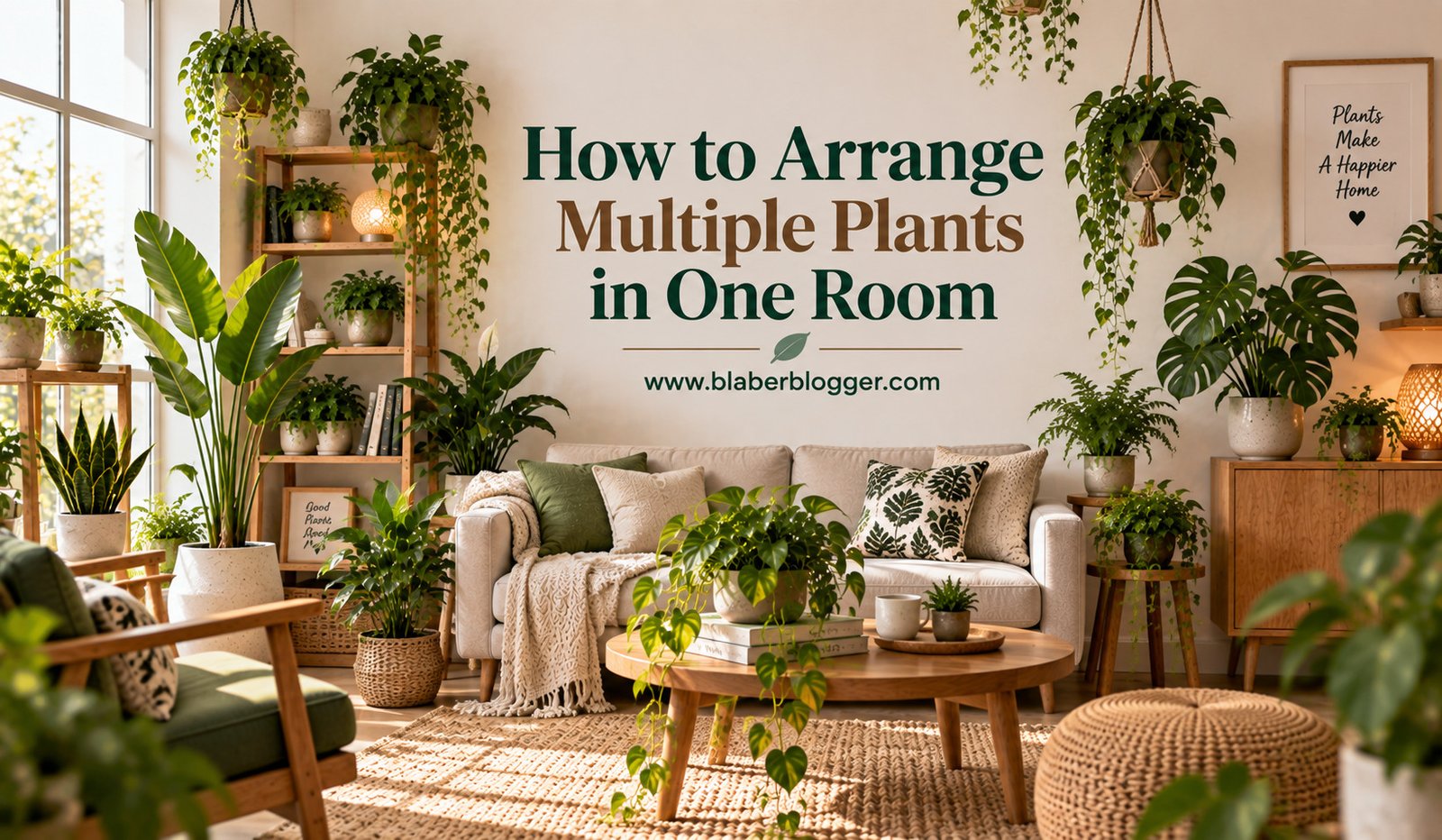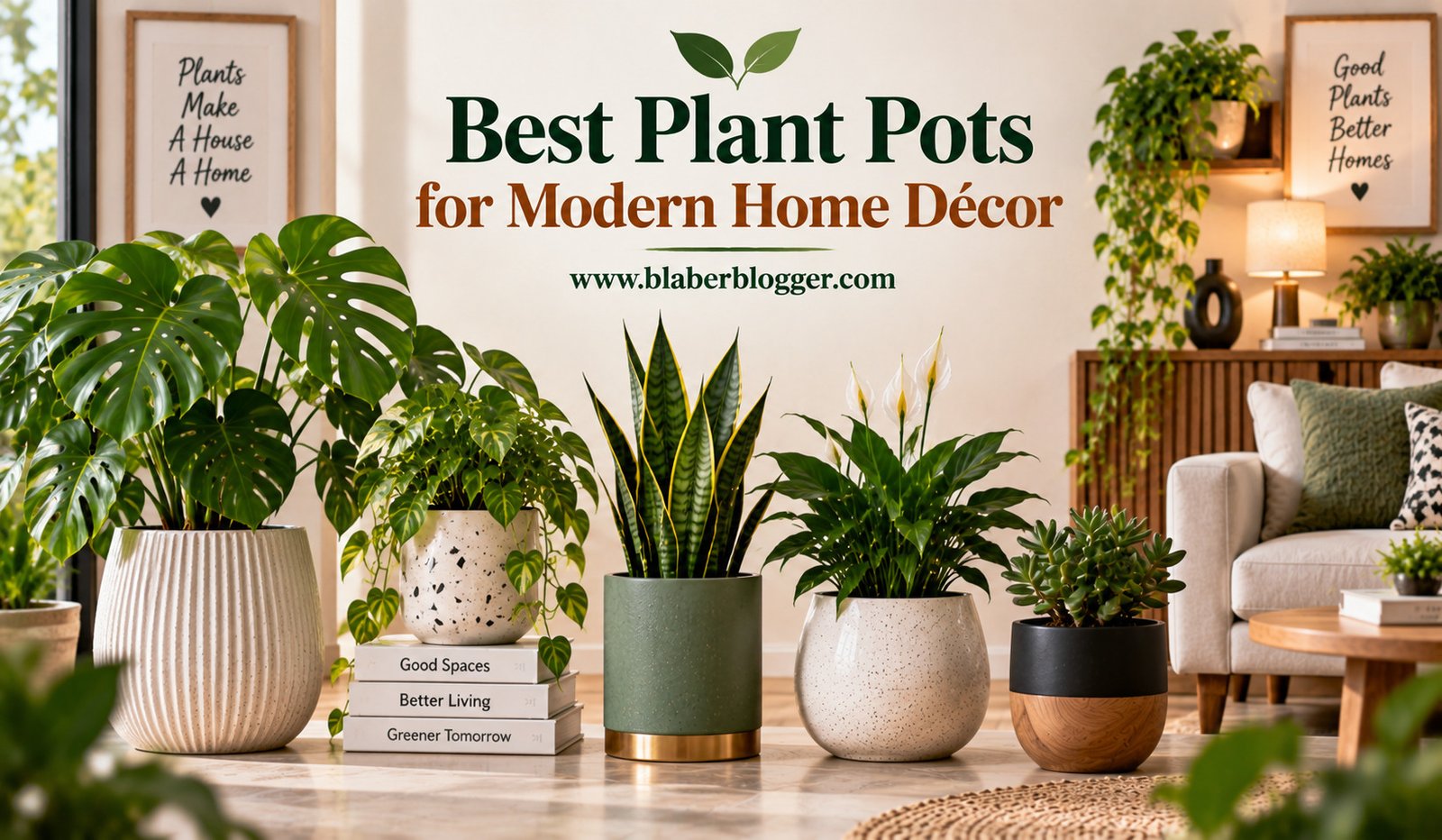
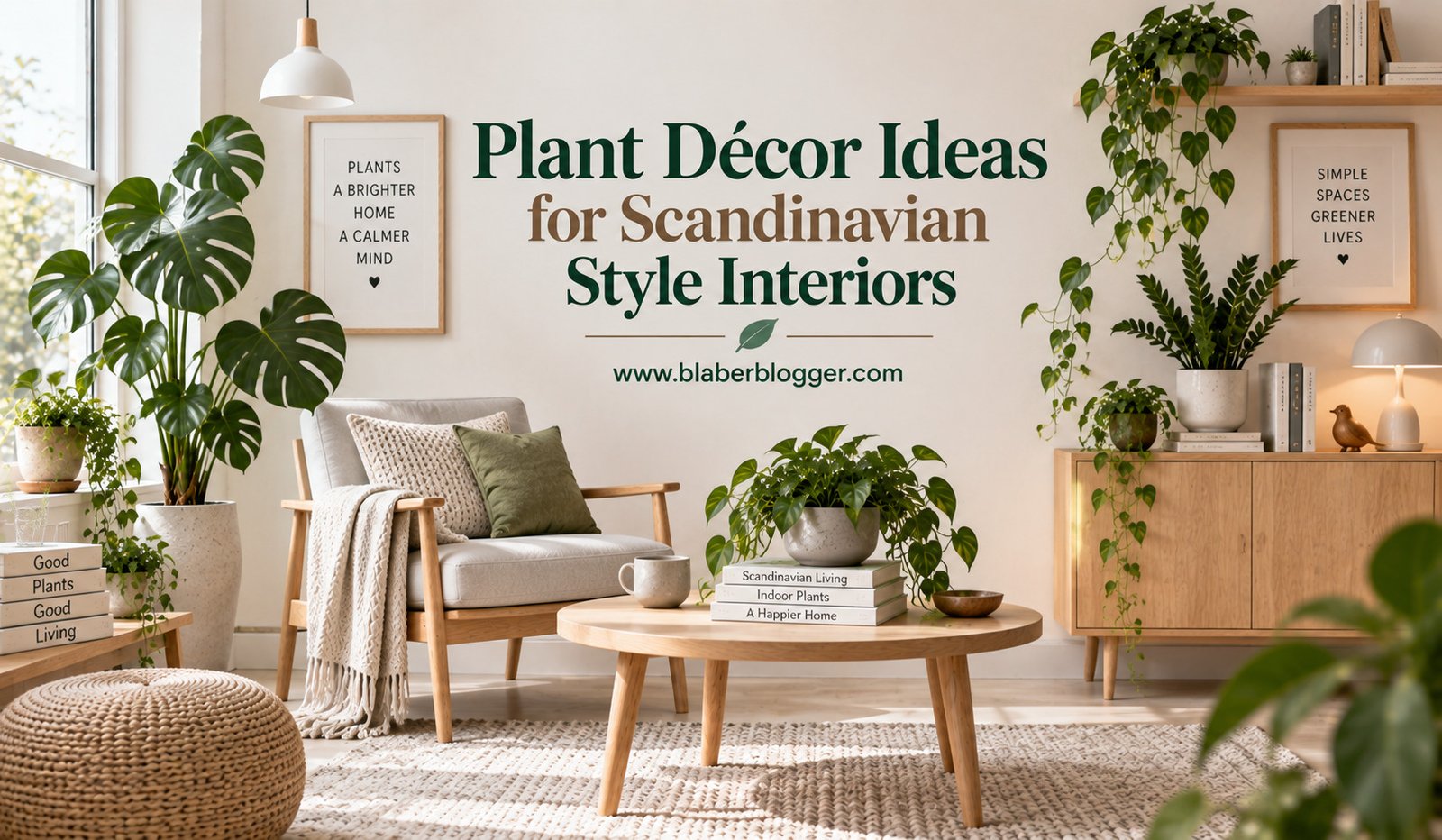
Scandinavian interiors are known for their clean lines, light colors, natural materials, functional furniture, and calm atmosphere. Indoor plants fit naturally into this design style because they introduce organic shapes and refreshing greenery without making the room feel overly decorated.
The key to Scandinavian plant décor is simplicity. Instead of filling every corner with greenery, choose a few attractive plants and display them in understated containers. Natural wood, soft textiles, neutral planters, and plenty of open space can help create the relaxed Nordic feeling associated with Scandinavian homes.
Whether you live in a compact apartment or a spacious house, thoughtful plant placement can make your Scandinavian interior feel warmer, fresher, and more connected to nature.
Why Plants Work With Scandinavian Interiors
Scandinavian design has a strong connection with nature. Light-colored wood, natural textures, and simple furnishings create a neutral foundation that allows greenery to stand out beautifully.
Plants also soften the straight lines commonly found in Scandinavian furniture. A leafy plant beside a simple wooden chair or a trailing plant on an open shelf can introduce movement without disrupting the clean aesthetic.
Greenery can also provide subtle contrast. Against white walls and pale furniture, green leaves become natural decorative accents while maintaining a calm overall appearance.
Choose Simple Plants With Natural Shapes
When selecting plants for Scandinavian interiors, focus on varieties that look elegant without being overly complicated. Plants with clean silhouettes, graceful foliage, or soft trailing growth tend to work particularly well.
Large statement plants can be used in spacious rooms, while compact varieties are better for shelves, desks, and bedside tables.
Some suitable choices include:
- Snake plants for structured vertical leaves.
- Pothos for soft trailing foliage.
- Rubber plants for bold, glossy leaves.
- Fiddle leaf figs for a dramatic focal point.
- Spider plants for light, graceful foliage.
The goal is not to create a botanical collection but to use greenery as part of the room’s overall composition.
Use Neutral Planters for a Nordic Look
Planters play an important role in Scandinavian plant décor. The best choices usually have simple shapes, subtle textures, and restrained colors.
White, cream, beige, gray, and soft earthy tones can blend naturally with Scandinavian furniture. Ceramic planters are especially useful because their smooth appearance complements the clean lines of Nordic interiors.
Terracotta can also work when you want to introduce warmth. However, keep the number of different colors and finishes limited so the arrangement remains cohesive.
Match Planters With Natural Materials
Scandinavian interiors often feature wood, linen, cotton, stone, and woven textures. Choosing planters that complement these materials can make the plants feel integrated into the room.
For example, a pale ceramic planter can look beautiful beside light oak furniture, while a textured container can add subtle contrast to a smooth wooden surface.
Place Plants Near Natural Light
Natural light is an important part of Scandinavian-inspired interiors. Large windows and uncluttered spaces allow sunlight to become part of the décor.
Place suitable plants near windows, but always consider their specific light requirements.
Windowsills are ideal for small plants, while larger floor plants can be positioned nearby to create height.
Create a Bright Window Display
A simple windowsill arrangement can include two or three small plants in matching or coordinated containers. Avoid filling the entire window because open space helps maintain the airy feeling associated with Scandinavian design.
If the window receives strong direct sunlight, choose plants that can handle those conditions or move them slightly away from the glass.
Add Large Plants to Scandinavian Living Rooms
A large indoor plant can become a natural focal point in a Scandinavian living room. Place it beside a sofa, reading chair, wooden cabinet, or empty corner.
Plants with tall stems and broad leaves can add height to a room dominated by low-profile furniture. A simple planter keeps the focus on the plant while maintaining the minimalist aesthetic.
A large plant can also help soften the transition between furniture and walls. Instead of adding another decorative object, greenery provides texture and life.
Decorate Open Shelves With Small Plants
Open shelving is common in Scandinavian interiors because it provides storage while keeping spaces visually light. Small plants can be placed among books, ceramics, framed artwork, and other simple objects.
Avoid placing plants on every shelf. Instead, create small groups and leave enough empty space around them.
A trailing plant can be placed near the edge of a shelf, allowing the foliage to fall naturally. This creates movement and prevents the arrangement from looking too rigid.
Use Wooden Plant Stands
Wooden plant stands are a natural match for Scandinavian interiors. They introduce height while reinforcing the use of natural materials.
Choose stands with simple construction and finishes that complement your existing furniture. Light wood works particularly well with neutral walls and pale furnishings.
Different heights can be combined to create a layered display, but avoid using too many stands in one area. One or two carefully placed stands can be more effective than a crowded collection.
Create a Scandinavian Plant Corner
A dedicated plant corner can add personality while keeping the rest of the room uncluttered. Choose one empty area and combine a large plant with a smaller plant or a simple wooden stand.
Keep the background clean. A plant corner works best when there is enough negative space around the greenery.
A simple arrangement might include:
- One tall statement plant.
- One compact plant on a wooden stand.
- A neutral decorative planter.
- A small basket or natural-texture accessory.
This creates visual interest without compromising the minimalist character of the room.
Combine Plants With Scandinavian Furniture
Plants should complement furniture rather than compete with it. Scandinavian furniture typically features functional shapes, light wood, soft upholstery, and simple silhouettes.
A leafy plant can soften a wooden sideboard, while a small plant can add life to a minimalist desk. Place greenery near furniture edges instead of covering the main surfaces.
The combination of natural wood and green foliage creates an especially harmonious effect because both materials have an organic visual quality.
Use Greenery in the Bedroom
Bedrooms designed in Scandinavian style often rely on soft colors and simple furniture. A few plants can add freshness while maintaining the peaceful atmosphere.
Place a small plant on a bedside table, dresser, or nearby shelf. For larger bedrooms, a tall plant can occupy an empty corner.
Avoid turning the bedroom into a dense indoor garden. A restrained selection of greenery is more consistent with the calm Scandinavian approach.
Style a Scandinavian Home Office With Plants
Plants can make a minimalist home office feel more welcoming. A small plant beside a laptop or notebook can introduce a natural accent without taking up much space.
Choose compact varieties for the desk and use a taller plant on the floor if the room has enough space.
Keep the desk functional by limiting decorative objects. One plant in a simple planter can be enough to bring character to a clean workspace.
Scandinavian Plant Décor by Placement
| Location | Recommended Plant Type | Suitable Planter |
| Windowsill | Small foliage plant | White ceramic |
| Living room corner | Large leafy plant | Tall neutral planter |
| Open shelf | Pothos or compact plant | Small matte pot |
| Desk | Peperomia or small foliage | Simple ceramic |
| Bedroom table | Compact low-maintenance plant | Soft neutral pot |
| Wooden cabinet | Small decorative plant | Earthy planter |
This approach makes it easier to distribute greenery without overcrowding the room.
Keep the Color Palette Simple
One of the easiest ways to maintain Scandinavian style is to control the color palette. Green plants already provide strong natural color, so the rest of the plant décor can remain understated.
White, beige, gray, pale wood, muted green, and earthy tones work well together. If you use colorful planters, choose one accent color rather than mixing several unrelated shades.
The result should feel natural and balanced rather than highly coordinated.
Choose Natural and Textured Accessories
Scandinavian décor often uses natural textures to create warmth. You can reinforce the plant theme with baskets, wooden trays, linen cushions, woven rugs, and simple ceramic accessories.
However, accessories should remain functional or visually useful. Too many decorative objects can make the space feel busy.
Plants should remain the main source of organic texture, while natural materials support the overall atmosphere.
Common Mistakes to Avoid
One common mistake is using too many plants. Scandinavian design relies heavily on open space, so overcrowding can quickly weaken the minimalist appearance.
Another mistake is choosing planters with overly bright colors or elaborate patterns. While statement pieces can work occasionally, simple finishes usually create a more cohesive look.
Avoid placing plants only for decorative reasons without considering their lighting needs. A healthy plant will always look better than one struggling in an unsuitable location.
Finally, remember that consistency matters. If every room uses completely different planter styles, the home may feel disconnected. Repeating similar materials and colors helps create a unified interior.
Frequently Asked Questions
1. Which plants are best for Scandinavian interiors?
Snake plants, pothos, rubber plants, fiddle leaf figs, spider plants, and other simple foliage varieties can complement Scandinavian décor. Choose according to the light available in your home.
2. What color planters work best with Scandinavian décor?
White, beige, cream, gray, muted green, and earthy tones are excellent choices. Simple ceramic and natural-texture planters generally fit the style well.
3. How many plants should I use in a Scandinavian room?
There is no fixed number, but fewer carefully placed plants usually work better than a crowded collection. Focus on creating balance and leaving plenty of open space.
4. Can large plants be used in Scandinavian interiors?
Yes. A large plant can become an attractive focal point in a Scandinavian living room or empty corner. Choose a simple planter and leave sufficient space around it.
5. How can I make plant décor look more minimalist?
Use a limited number of plants, simple containers, natural materials, and a restrained color palette. Avoid overcrowding shelves and furniture surfaces.
Final Thoughts
Plant décor is a natural fit for Scandinavian style because both emphasize simplicity, nature, functionality, and comfort. Green foliage can soften clean furniture lines, brighten neutral interiors, and add organic texture without overwhelming the room.
Choose plants that suit your lighting, pair them with understated planters, and use natural materials such as wood and woven textures to complete the look. Most importantly, leave enough open space for each plant to stand out.
With thoughtful placement and a simple approach, indoor greenery can make a Scandinavian-style home feel warmer, fresher, and more welcoming while preserving its clean and peaceful character.