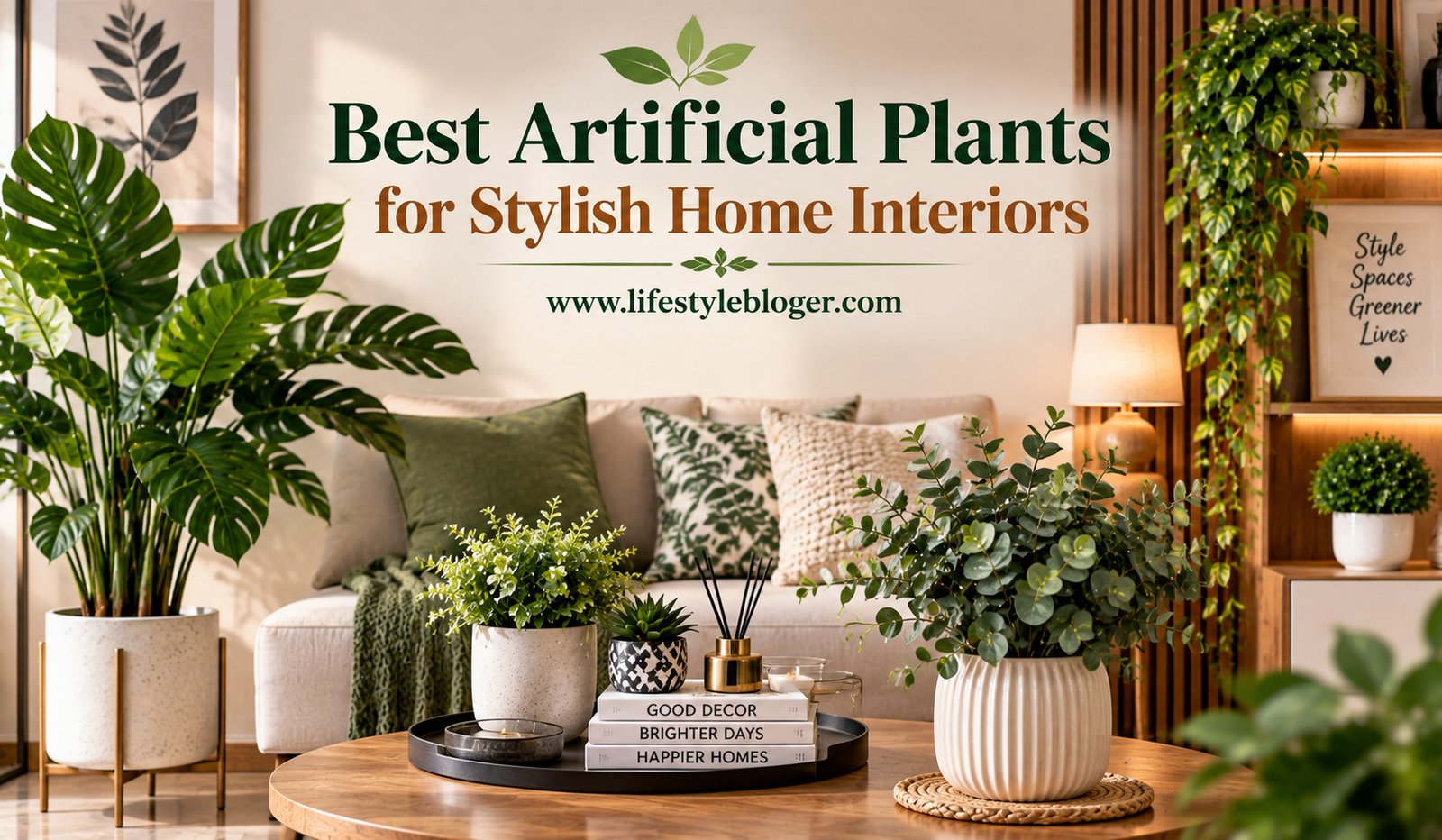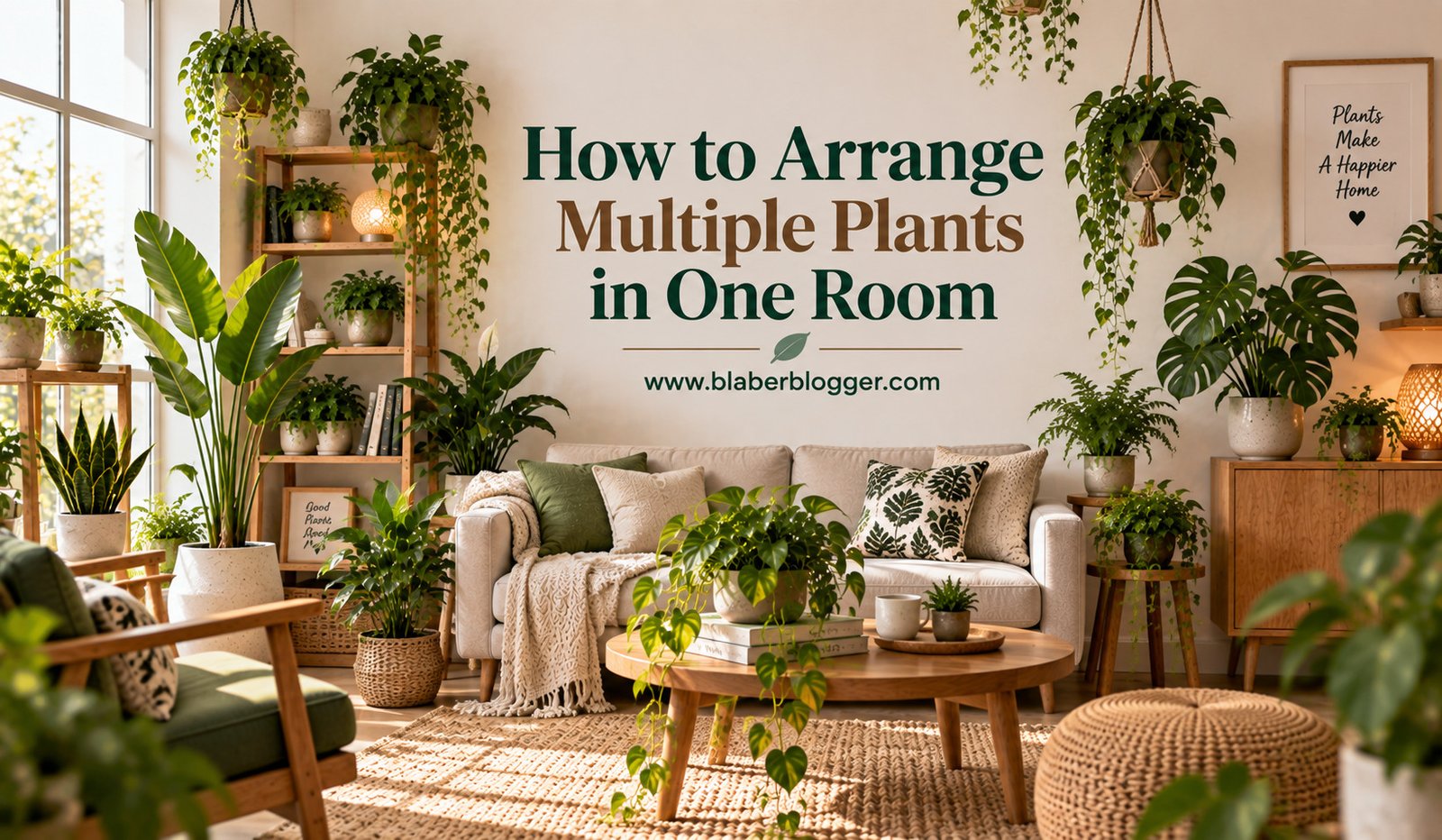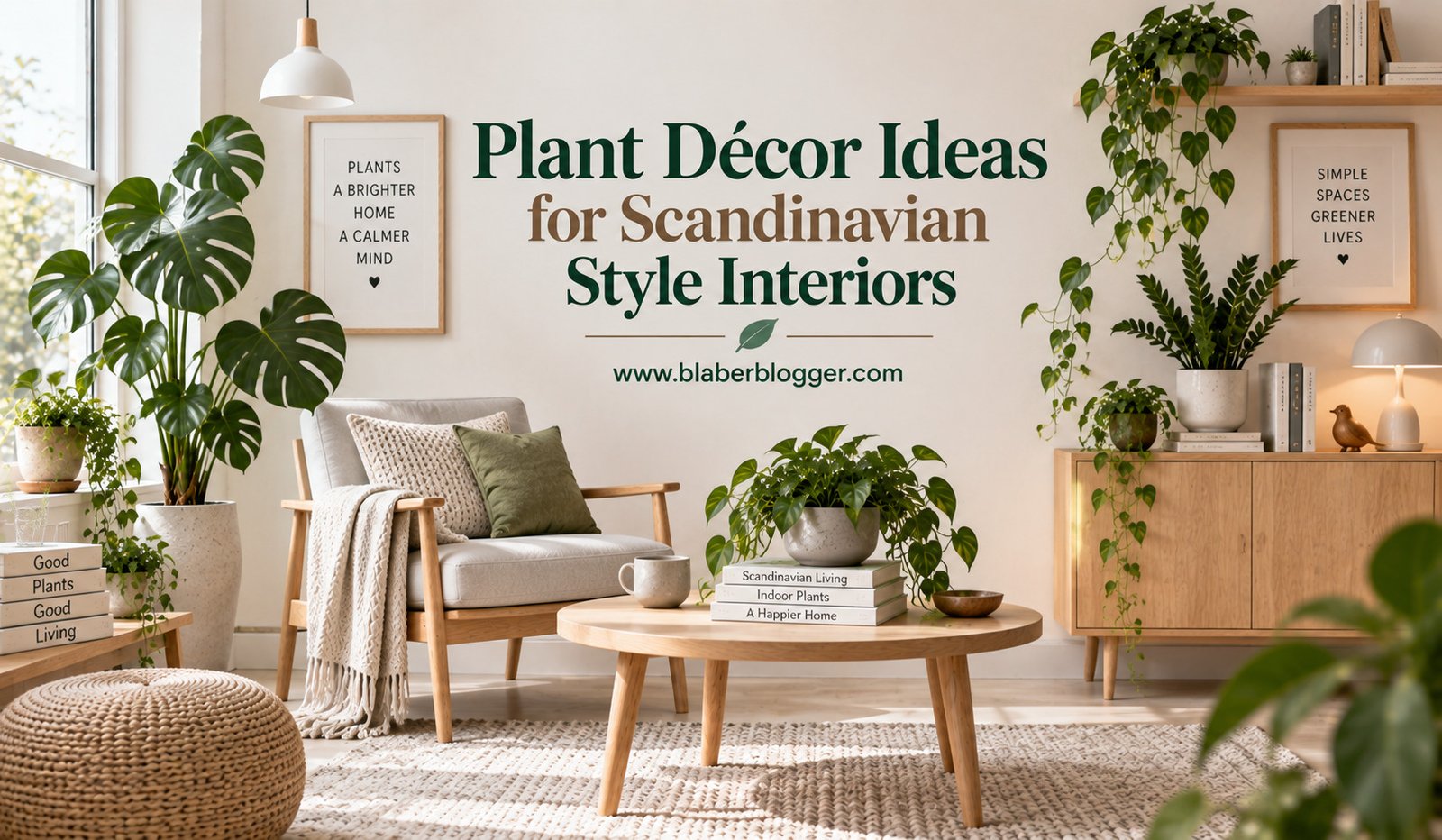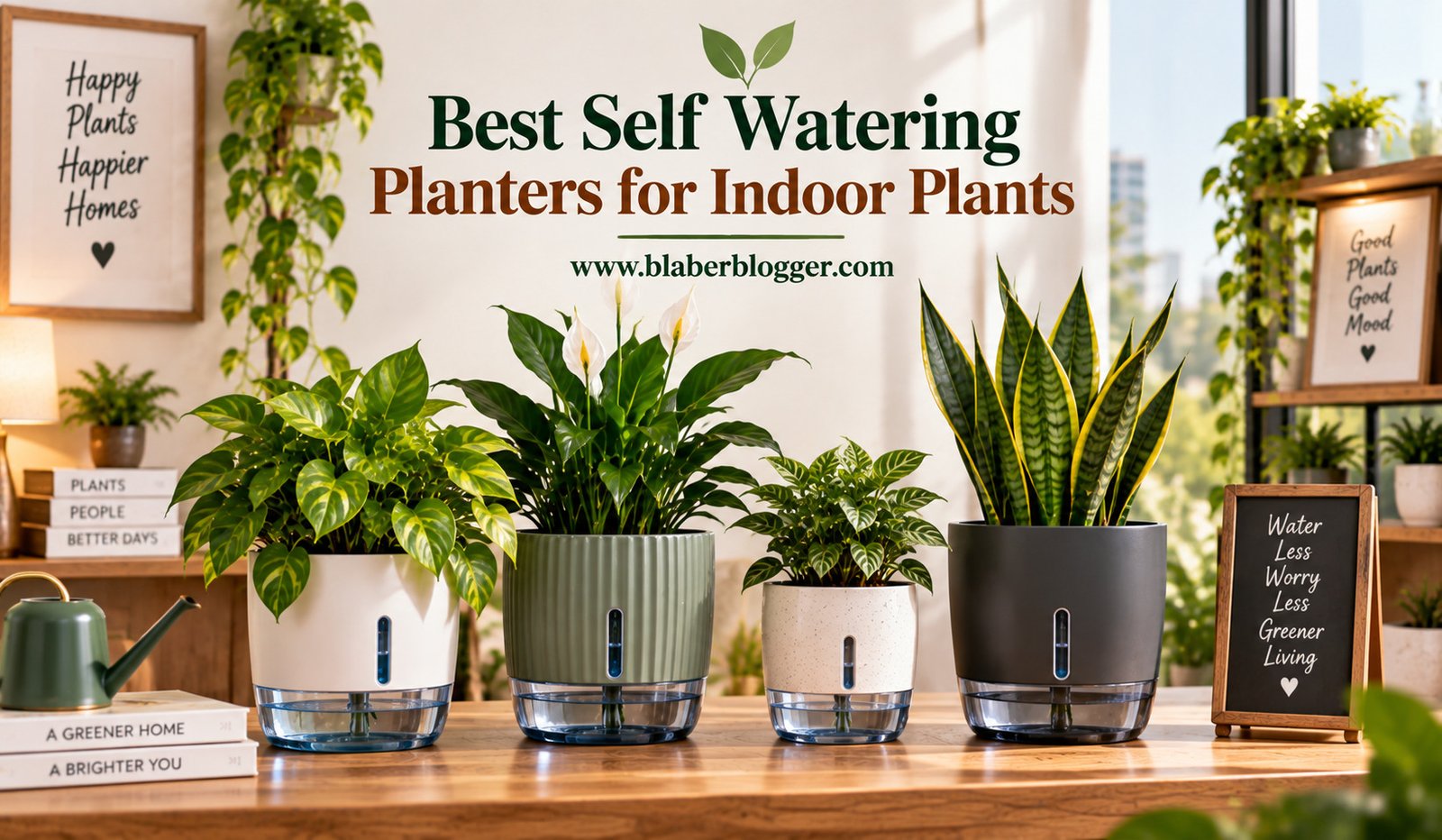
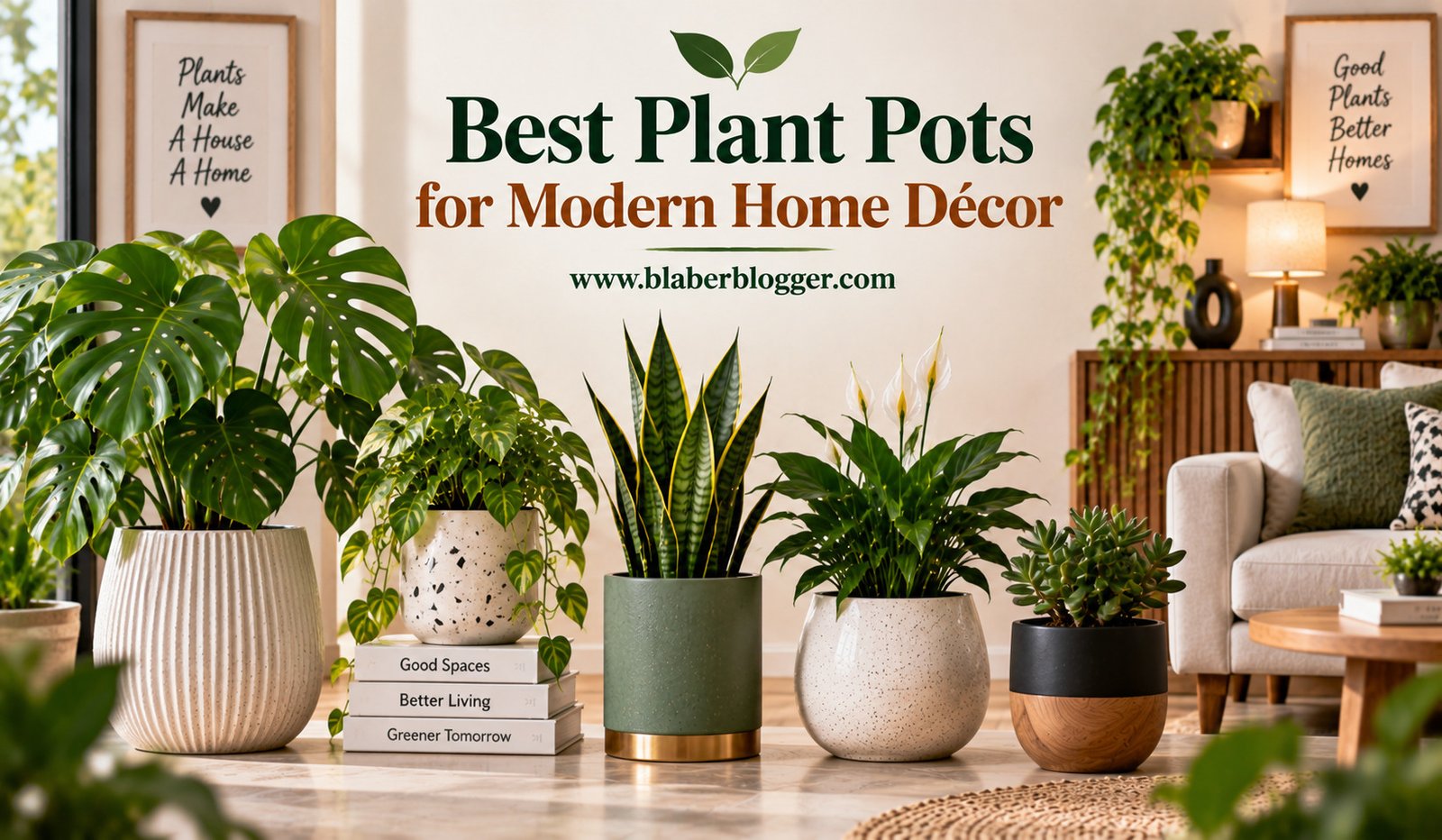
Indoor plants can instantly make a home feel fresher, warmer, and more inviting, but the plant itself is only part of the picture. The pot you choose can influence how the greenery fits into your interior, whether the arrangement feels polished or casual, and how well it complements your furniture and color scheme.
Modern home décor often focuses on clean shapes, thoughtful details, neutral colors, and uncluttered arrangements. The best plant pots for this style combine attractive design with practical features such as suitable sizing, stability, drainage, and easy maintenance. From sleek ceramic planters to textured concrete-style pots, there are plenty of options for creating a sophisticated indoor plant display.
Why Plant Pots Matter in Modern Home Décor
A plant pot is more than a container for soil. It can act as an accessory that connects your greenery with the rest of your room. A simple snake plant, for example, can look completely different in a matte black cylindrical pot compared with a handmade textured planter.
Modern interiors benefit from visual consistency. Choosing pots that coordinate with your furniture, flooring, walls, and decorative accents can make individual plants feel like part of one carefully planned design.
The right pot can also help balance a room. A tall planter can fill an unused corner, while a small tabletop pot can add greenery without making a desk or shelf feel crowded.
Best Types of Plant Pots for Modern Interiors
1. Minimalist Ceramic Pots
Ceramic pots are one of the easiest choices for contemporary interiors because they offer a refined appearance without demanding too much attention. Smooth ceramic surfaces work particularly well in minimalist living rooms, bedrooms, and home offices.
White, cream, beige, charcoal, and soft gray are versatile choices. A matte finish creates a subtle modern appearance, while a glossy finish can add a little more elegance.
Ceramic pots are especially attractive when paired with plants that have distinctive foliage, such as monstera, rubber plants, peace lilies, or ZZ plants. The simple container allows the leaves to remain the visual focus.
2. Matte Black Plant Pots
Black planters can create strong contrast against light walls and furniture. Their bold appearance makes them particularly useful when a room needs a defined accent.
A tall black pot with a fiddle leaf fig or snake plant can work beautifully beside a sofa, cabinet, or window. Smaller black pots can also be placed on shelves or side tables to create visual continuity.
If your room already contains black details in furniture, lighting, frames, or hardware, repeating the color in your plant pots can make the overall décor feel more coordinated.
3. Textured Plant Pots
Modern décor does not have to mean completely smooth surfaces. Textured pots can add depth while keeping the overall design sophisticated.
Ribbed, fluted, rough, or lightly patterned surfaces are particularly effective when the rest of the room has simple furniture. They introduce another layer of interest without requiring bright colors or elaborate decoration.
Textured planters look attractive with both leafy tropical plants and simpler varieties. Try pairing a ribbed pot with a tall snake plant or a rounded textured pot with a trailing pothos.
4. Concrete-Style Planters
Concrete and stone-inspired pots are excellent for industrial, contemporary, and minimalist homes. Their natural gray appearance gives greenery a grounded, architectural feel.
These planters are especially useful for larger plants because their visual weight helps balance tall foliage. A concrete-style pot can look striking in an empty living-room corner, beside a media console, or near a large window.
If genuine concrete feels too heavy for your space, lightweight versions can provide a similar appearance while being easier to move.
5. Wooden and Woven Planters
For homeowners who prefer modern décor with a warmer character, wooden and woven planters can soften an otherwise structured room. They introduce natural texture and pair particularly well with neutral interiors.
Woven baskets are also useful for covering plain nursery pots. This allows you to keep the practical inner container while giving the plant a more decorative exterior.
Wooden or woven planters work especially well with boho-modern, Scandinavian, Japandi, and nature-inspired interiors.
Choosing the Right Pot for Different Rooms
The best plant pot depends not only on the plant but also on where it will be displayed.
| Room | Suitable Pot Style | Ideal Plant Type |
| Living Room | Tall ceramic or textured pot | Rubber plant, Monstera |
| Bedroom | Soft-toned ceramic pot | Peace lily, ZZ plant |
| Home Office | Small minimalist pot | Pothos, snake plant |
| Entryway | Statement floor planter | Fiddle leaf fig, palm |
| Dining Area | Compact decorative pot | Herbs, compact foliage |
| Balcony | Durable modern planter | Areca palm, succulents |
Living Room Plant Pots
The living room usually offers the most flexibility. Larger plants can become focal points when placed in tall, stylish planters.
Consider placing a large pot beside a sofa or in an empty corner rather than filling every available surface with small plants. One substantial planter can often make a stronger design statement than several unrelated pots.
Bedroom Plant Pots
Bedrooms generally benefit from softer shapes and calming colors. Rounded ceramic pots in white, beige, taupe, or muted green can complement bedding and wooden furniture.
Keep the arrangement simple. A small plant on a bedside table or dresser can add character without making the room feel busy.
Home Office Plant Pots
For a workspace, choose pots that provide personality without taking up too much room. Small geometric or cylindrical planters can sit neatly on a desk, shelf, or filing cabinet.
Neutral colors are particularly useful because they blend easily with office furniture and do not compete visually with your work area.
Entryway Plant Pots
The entryway creates the first impression of your home, making it a good place for a statement planter. A tall pot with an upright plant can add height and make a narrow entrance feel more welcoming.
If the space is small, choose a slim planter rather than a wide container that interferes with movement.
How to Match Plant Pots With Your Décor
Choosing a beautiful planter is only the beginning. It should also relate to the existing design of your room.
Consider these simple styling principles:
- Match or complement colors already present in the room.
- Use different pot sizes to create visual layers.
- Combine smooth and textured finishes for subtle contrast.
- Leave enough space around each plant so the arrangement does not feel crowded.
You do not need every pot to look identical. Instead, repeat one or two elements, such as color, material, or shape. This creates consistency while allowing enough variation to keep the display interesting.
Consider Pot Size and Plant Proportion
One of the most common décor mistakes is choosing a pot based only on its appearance. Proportion matters just as much.
A tiny pot can make a large plant appear unstable, while an oversized container may overwhelm a small plant. The pot should visually support the plant rather than compete with it.
Before purchasing, consider the plant’s root system, mature size, and growth habits. Decorative appearance should work alongside the plant’s practical requirements.
For many indoor arrangements, keeping the plant in a suitable nursery container and placing that container inside a decorative cover pot can make watering and maintenance easier. Always make sure excess water can be managed properly.
Modern Plant Pot Color Ideas
Neutral colors remain highly versatile for modern interiors, but that does not mean your pots need to be boring.
White and cream pots produce a bright, clean appearance. Beige and sand tones add warmth, while gray and charcoal provide a more architectural look. Black creates contrast and can emphasize bright green foliage.
If your interior already has a strong color palette, consider choosing pots in one of its existing shades. This creates a more intentional appearance than introducing several unrelated colors.
Styling Multiple Plant Pots Together
When displaying several plants, think about the entire arrangement rather than each pot individually. Different heights can create movement, while repeated colors help tie the grouping together.
A useful approach is to combine one larger floor plant with one or two smaller plants placed nearby. For shelves, mix compact plants with trailing varieties so the greenery occupies different visual levels.
Avoid filling every corner with plants. Modern décor usually benefits from breathing room, and empty space can make greenery feel more prominent.
Common Mistakes to Avoid
Even attractive plant pots can look out of place when they are poorly matched to the room or plant. Avoid these common mistakes:
- Choosing a pot that is dramatically too large or too small.
- Using too many unrelated colors and patterns in one area.
- Ignoring drainage and practical plant-care requirements.
- Crowding several plants into a small space.
- Selecting a pot that clashes with the furniture and overall interior style.
A successful arrangement should look beautiful while still being easy to maintain.
Frequently Asked Questions
What are the best plant pots for modern home décor?
Minimalist ceramic, matte black, textured, concrete-style, and neutral-toned planters are excellent choices. The best option depends on your room, plant size, and existing décor.
Are ceramic pots good for indoor plants?
Yes. Ceramic pots can be attractive and durable for indoor displays. However, proper drainage is important, and you should select a size that suits the plant’s root system.
What color plant pots look best in modern interiors?
White, beige, cream, gray, charcoal, and black are versatile choices. Muted greens and earthy shades can also work well when you want a warmer, nature-inspired appearance.
How do I choose the right size plant pot?
Choose a pot that provides appropriate space for the plant’s roots without being unnecessarily oversized. The container should also look proportionate to the plant and the furniture around it.
Can I mix different plant pot styles in one room?
Absolutely. Mixing styles can make an arrangement more interesting. For a cohesive modern look, repeat at least one feature, such as color, material, texture, or shape.
Final Thoughts
The best plant pots for modern home décor are those that combine style, proportion, and practicality. A well-chosen planter can transform an ordinary houseplant into a deliberate part of your interior design.
Whether you prefer smooth ceramic, dramatic black finishes, textured surfaces, concrete-inspired designs, or warm woven containers, focus on how the pot interacts with the plant and the surrounding room. Choose complementary colors, maintain sensible proportions, and leave enough breathing space around your greenery.
With thoughtful choices, even a single plant in the right pot can add structure, texture, and personality to a modern home.