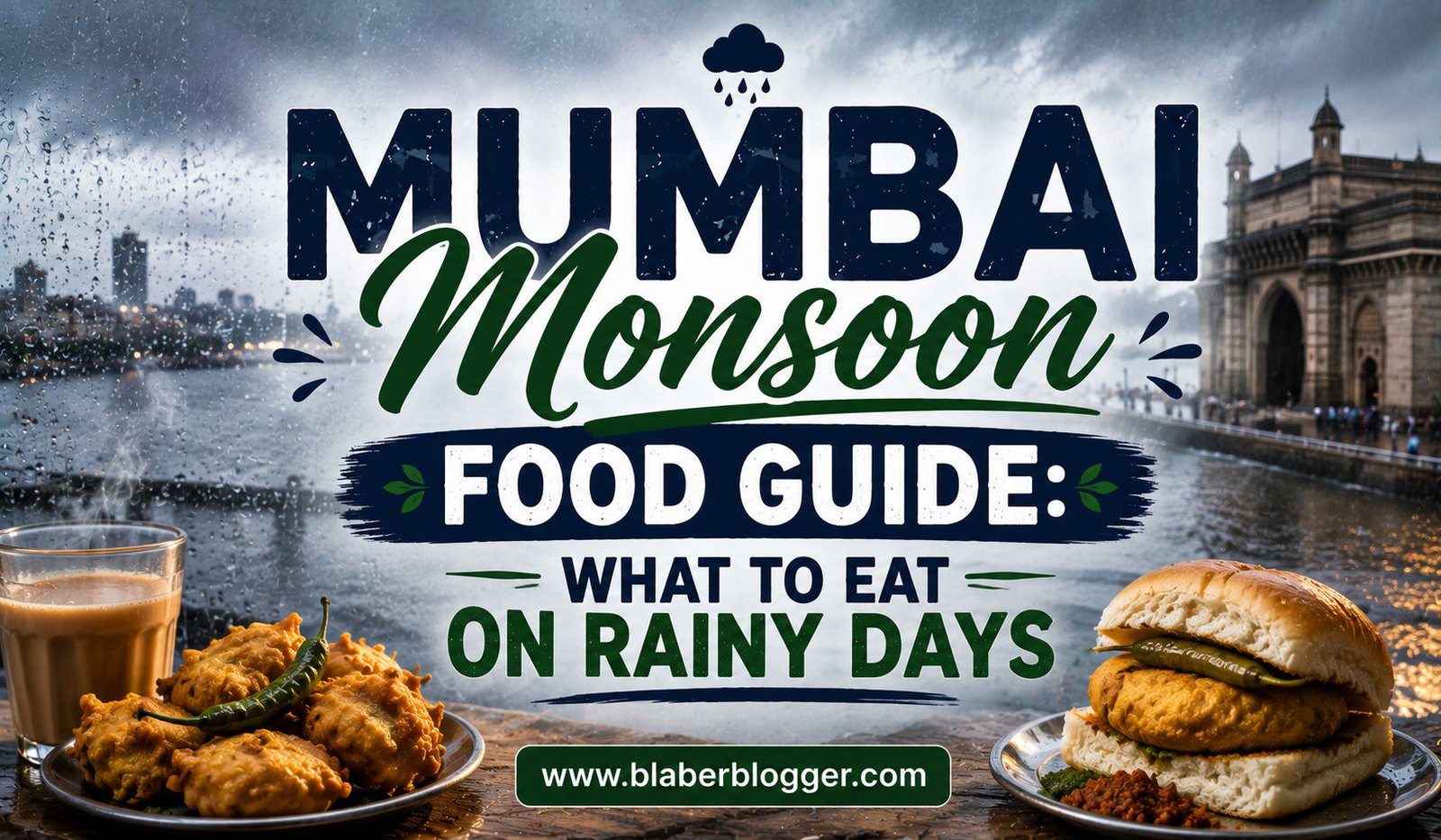
It is also a season of irresistible food. When rain starts falling across the city, the desire for something hot, crispy, spicy or comforting seems to appear naturally. A cup of steaming chai, a plate of bhajiyas or a freshly prepared vada pav can make even a gloomy afternoon feel special.
The city’s food culture becomes particularly enjoyable during the rainy season because many classic Mumbai snacks seem made for cool, damp weather. Street vendors, small cafés, Irani-style eateries and restaurants all offer different ways to enjoy a rainy day.
Whether you are a visitor discovering Mumbai for the first time or someone looking for new monsoon food experiences, this guide covers the dishes worth trying, where they fit into your rainy-day plans and how to enjoy them responsibly.
Why Mumbai Food Tastes Better During the Monsoon
There is something comforting about eating hot food while rain falls outside. During Mumbai’s monsoon, temperatures can feel cooler, and the sound of rain creates the perfect background for a warm snack.
Street food becomes especially tempting because many popular snacks are served immediately after cooking. The contrast between crisp fried food and hot tea is one of the simplest pleasures of the season.
The monsoon also encourages slower meals. Instead of rushing through lunch, people often look for a cosy café, roadside stall or neighbourhood restaurant where they can sit for a while and watch the rain.
Best Mumbai Monsoon Foods to Try
1. Vada Pav
No Mumbai food guide would be complete without vada pav. The snack combines a spiced potato fritter with a soft pav, chutneys and sometimes fried green chilli.
During the monsoon, a freshly fried vada pav is especially satisfying. The warm potato filling and spicy chutneys provide exactly the kind of bold flavour that works well on a rainy afternoon.
For the best experience, choose a busy outlet where food turnover is high. A freshly prepared snack is generally preferable to one that has been sitting out for a long time.
2. Bhajiya and Pakora
Bhajiyas are among the quintessential rainy-day foods in Mumbai. Slices of vegetables or other ingredients are coated in seasoned batter and fried until crisp.
Different places prepare them in their own style, but onion bhajiyas, potato bhajiyas and chilli bhajiyas are especially popular choices. Served hot with chutney and tea, they make an ideal afternoon snack.
The appeal is partly about texture. Crispy edges, a soft centre and spicy seasoning create a combination that feels particularly appropriate when the weather is cool and wet.
3. Cutting Chai
Mumbai’s cutting chai is less about quantity and more about the experience. Served in a small glass, the strong, sweet tea is perfect for a quick break between activities.
During the monsoon, chai becomes a social ritual. People gather at tea stalls, chat under shop awnings and watch traffic move through the rain.
Pairing cutting chai with a plate of bhajiyas or biscuits is a simple way to enjoy Mumbai’s everyday food culture without spending much time or money.
4. Misal Pav
For travellers who prefer something spicier, misal pav is an excellent rainy-day meal. It usually combines a spicy sprouted bean preparation with farsan, onions, coriander and pav.
The flavour can range from pleasantly spicy to seriously fiery, depending on where you eat. If you are not accustomed to strong chilli, ask about the spice level before ordering.
Misal pav works particularly well as a late breakfast or filling lunch when you want something substantial rather than a small snack.
5. Kanda Bhaji
Kanda bhaji, or onion fritters, deserves special attention during the monsoon. Thinly sliced onions are mixed with spiced batter and fried until crisp.
The sweetness of the onions balances the spices, while the crunchy texture makes the dish highly addictive. It is traditionally enjoyed with chutney or tea, making it an excellent choice for a rainy afternoon.
Freshness matters with fried snacks, so ordering them straight from the fryer can make a noticeable difference.
6. Sabudana Vada
Sabudana vada is another popular snack that works beautifully with rainy weather. Made primarily with tapioca pearls, potatoes and peanuts, it has a crisp exterior and softer centre.
It is often served with chutney or yoghurt, depending on the preparation. The contrast between the crunchy vada and cooling accompaniment makes it a satisfying snack at any time of day.
7. Hot Soup
Sometimes monsoon comfort food does not have to be traditional street food. A bowl of hot soup can be equally enjoyable, especially during a particularly wet evening.
Mumbai’s cafés and restaurants offer everything from simple vegetable soups to richer chicken and Asian-inspired varieties. Soup is particularly suitable when you want something warm without choosing fried food.
8. Piping Hot Corn
Roasted corn is another seasonal favourite associated with rainy evenings. A freshly roasted cob seasoned with salt, chilli and lemon offers a combination of smoky, tangy and spicy flavours.
Corn is particularly enjoyable near waterfront areas and busy public spaces, although visitors should choose hygienic vendors and avoid eating food that has been exposed to rainwater or poor storage conditions.
Mumbai Monsoon Food at a Glance
| Food | Best Time | Why It Works in Monsoon |
| Vada Pav | Afternoon or evening | Hot, spicy and filling |
| Bhajiya | Evening | Crisp and comforting |
| Cutting Chai | Anytime | Warm and refreshing |
| Misal Pav | Breakfast or lunch | Spicy and satisfying |
| Kanda Bhaji | Evening | Crispy and flavourful |
| Sabudana Vada | Breakfast or snack | Crunchy and hearty |
| Hot Soup | Evening | Warm and soothing |
| Roasted Corn | Evening | Smoky, tangy and seasonal |
Best Places to Enjoy Monsoon Food in Mumbai
Street Food Areas
Mumbai’s street food culture is spread across neighbourhoods rather than limited to one location. Areas such as Dadar, Girgaon, Vile Parle, Andheri and Borivali have numerous local food stalls and small eateries.
The key is to look for places with a steady flow of customers and food being cooked regularly. Popularity often means ingredients are used quickly, which can be preferable when eating street food.
Irani Cafés and Traditional Eateries
Mumbai’s historic cafés offer a different way to enjoy rainy-day food. Instead of standing beside a street stall, you can sit indoors with a hot beverage and a filling snack while listening to the rain outside.
These establishments are particularly appealing when you want to slow down and enjoy the atmosphere rather than simply grab something to eat.
Cafés and Modern Restaurants
If you prefer comfortable seating, cafés across Bandra, Lower Parel, Powai, Fort and other neighbourhoods offer plenty of monsoon-friendly options.
A rainy afternoon can be a good excuse to try coffee, sandwiches, baked dishes, desserts or hot meals while staying indoors. This approach works particularly well when heavy rainfall makes outdoor sightseeing difficult.
What to Eat Near Mumbai’s Popular Monsoon Spots
Food can easily become part of a sightseeing itinerary. If you are spending the day around Marine Drive, for example, warming up with chai and a snack at a nearby café can be a pleasant way to end the outing.
Visitors exploring Bandra can combine a coastal walk with a café stop, while those visiting South Mumbai can explore the area’s historic eateries between sightseeing stops.
For travellers heading towards Lonavala or other nearby monsoon destinations, roadside tea and snacks can add to the road-trip experience. However, avoid eating at locations where food is exposed to standing water or visibly poor hygiene.
How to Enjoy Mumbai Street Food Safely During the Monsoon
Rainy weather can create additional hygiene challenges for food vendors. Waterlogging, humidity and improper food storage can increase the risk of contamination.
A few simple habits can help you enjoy local food more safely:
- Prefer busy stalls where food is prepared fresh and regularly.
- Choose freshly cooked items served hot.
- Drink packaged or properly filtered water.
- Avoid cut fruit, uncovered sauces and food exposed to rainwater.
- Wash or sanitise your hands before eating.
You do not have to avoid street food during the monsoon. Instead, be selective about where and what you eat.
A Perfect Mumbai Monsoon Food Trail
If you want to turn food exploration into a full-day experience, start with misal pav or sabudana vada for breakfast. Later, take a break with cutting chai before exploring another part of the city.
In the afternoon, try vada pav or bhajiyas while the rain is falling. For dinner, move indoors and choose a warm meal or soup at a comfortable restaurant.
A simple food trail could include:
- Morning: Misal pav and chai.
- Afternoon: Vada pav or bhajiya.
- Evening: Roasted corn and cutting chai.
- Dinner: Hot soup or a comforting local meal.
Mumbai’s food culture is better enjoyed gradually, with time to appreciate the flavours and atmosphere.
Monsoon Desserts and Sweet Treats
Rainy-day food does not have to be entirely savoury. Mumbai’s bakeries, cafés and sweet shops offer plenty of options for finishing a meal.
Warm desserts, freshly baked cakes, brownies and traditional Indian sweets can all work well on a rainy evening. Lonavala chikki is also a popular treat to pick up if you are travelling outside Mumbai or returning from a nearby hill-station trip.
A cup of hot coffee or chai alongside a sweet snack can turn a simple afternoon break into a satisfying end to a rainy-day outing.
Frequently Asked Questions
1. What is the best food to eat in Mumbai during the monsoon?
Vada pav, bhajiyas, misal pav, kanda bhaji, sabudana vada and cutting chai are among the most popular choices. The best option depends on whether you want a snack, breakfast or full meal.
2. Is Mumbai street food safe during the rainy season?
Street food can be enjoyed during the monsoon, but hygiene deserves extra attention. Choose busy stalls, eat freshly cooked food and avoid uncovered ingredients or food exposed to standing water.
3. What should I eat with cutting chai?
Bhajiyas, biscuits, vada pav and other savoury snacks pair well with cutting chai. For a simple experience, hot onion bhajiyas and strong tea make a classic combination.
4. Which Mumbai food is best for spicy-food lovers?
Misal pav is an excellent choice if you enjoy spice. Its intensity varies between eateries, so ask for a suitable spice level if you are trying it for the first time.
5. Where can I enjoy Mumbai monsoon food?
You can find rainy-day favourites at street stalls, local eateries, traditional cafés and modern restaurants across Mumbai. Dadar, Bandra, Girgaon, Andheri and other busy neighbourhoods offer a wide range of choices.
Final Thoughts
Mumbai’s monsoon creates the perfect excuse to explore the city’s food culture. From a humble vada pav eaten under a shop awning to cutting chai enjoyed while watching the rain, some of the most memorable experiences are wonderfully simple.
The season is about contrast: hot food against cool rain, crisp bhajiyas with steaming tea and spicy misal enjoyed while clouds cover the city. You do not need an expensive restaurant or elaborate food tour to appreciate it.
Choose fresh food, pay attention to hygiene and explore at your own pace. When the next heavy shower arrives, instead of waiting impatiently for it to stop, find a warm place, order something delicious and let Mumbai’s monsoon become part of the meal.