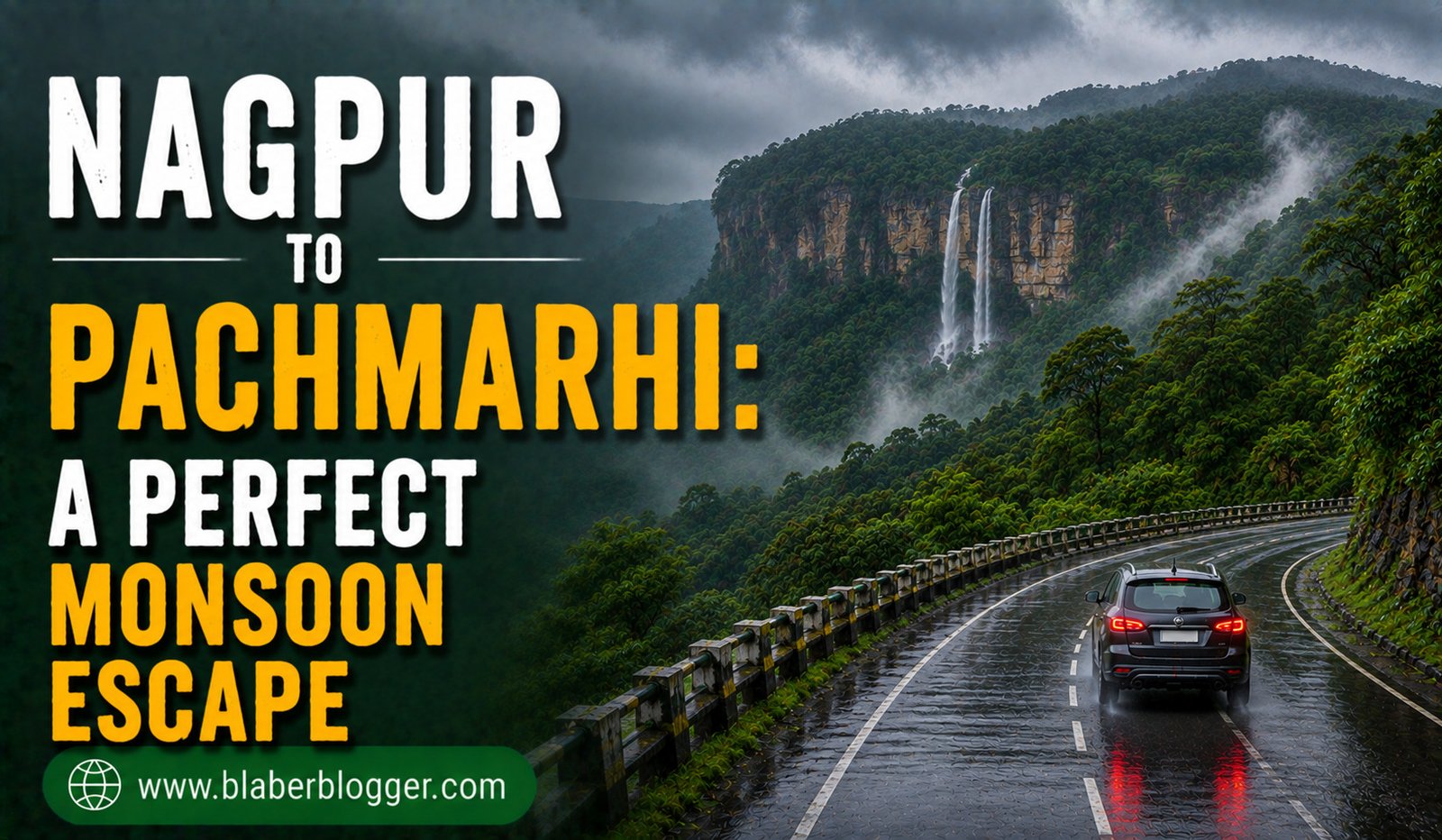
When the monsoon arrives in central India, the landscape around Nagpur begins to change. Dry surroundings turn greener, the air becomes fresher, and the prospect of a peaceful hill getaway becomes especially appealing. For travellers looking for a refreshing break, Nagpur to Pachmarhi is a journey that combines an enjoyable road trip with the natural beauty of Madhya Pradesh’s most popular hill station.
Pachmarhi, often called the Queen of Satpura, is known for forested hills, waterfalls, caves, viewpoints and ancient temples. During the rainy season, its surroundings become particularly scenic as streams fill with water and the Satpura ranges develop a lush green appearance.
Whether you are planning a weekend with friends, a family holiday or a quiet escape from city life, monsoon is an excellent time to experience Pachmarhi. With a little preparation and a flexible itinerary, the journey from Nagpur can become a memorable part of the trip.
Nagpur to Pachmarhi Distance and Travel Time
The road distance from Nagpur to Pachmarhi is approximately 250 kilometres, depending on the route and starting point. By car, the journey generally takes around 5 to 6 hours, although monsoon traffic, road conditions and sightseeing stops can increase the travel time.
A popular road route takes travellers through areas around Saoner, Chhindwara and Pipariya before the final climb towards Pachmarhi. The scenery gradually changes along the way, with the plains giving way to greener countryside and finally the forested hills of the Satpura range.
The road trip is particularly enjoyable during the rainy season because fields, trees and small streams along the route look much fresher. Once the road begins climbing towards Pachmarhi, the landscape becomes more dramatic.
Best Ways to Travel from Nagpur to Pachmarhi
Travellers have several options for reaching Pachmarhi from Nagpur. A private car is often the most convenient because it provides flexibility for stops and local sightseeing.
By Car
Driving is ideal for travellers who enjoy road trips. You can leave Nagpur early, stop for refreshments along the way and reach Pachmarhi by afternoon. A private vehicle is also useful for exploring attractions spread around the hill station.
During monsoon, however, drivers should be cautious on winding roads. Wet surfaces, fog and sudden showers can reduce visibility, particularly in the hilly sections.
By Train
Pachmarhi does not have its own railway station. Pipariya is the nearest major railhead, from where travellers can continue by taxi or bus. Depending on your travel preferences, taking a train to Pipariya and completing the final road journey can be a comfortable alternative to driving the entire distance.
By Bus
Buses and shared transport options can also be considered, although schedules and travel times may vary. For a short monsoon holiday, checking the latest transport availability before departure is advisable.
Why Visit Pachmarhi During Monsoon?
Monsoon is arguably one of the most beautiful seasons in Pachmarhi. Rain transforms the Satpura landscape into a carpet of green, while waterfalls and streams become more active.
The weather is generally cooler than in Nagpur, making outdoor exploration more comfortable. Clouds often gather around the hills, creating atmospheric views from elevated points.
The rainy season also gives Pachmarhi a quieter and more relaxed character. Instead of rushing between attractions, visitors can enjoy forest roads, misty viewpoints and the sound of flowing water.
Top Places to Visit in Pachmarhi During Monsoon
Pachmarhi has a wide variety of attractions, from natural viewpoints to waterfalls and ancient caves. The best approach during monsoon is to keep your schedule flexible because some outdoor areas may become slippery after rain.
Bee Falls
Bee Falls is one of Pachmarhi’s most popular waterfalls. During the monsoon, rainfall increases the flow and gives the waterfall a dramatic appearance.
The surrounding forest becomes greener, making the entire area attractive for photography and nature lovers. Visitors should be careful around wet rocks and follow local safety instructions.
Rajat Prapat
Rajat Prapat, also known as Silver Fall, is another well-known natural attraction. The waterfall drops from a considerable height and can appear especially impressive when surrounded by monsoon greenery.
The viewpoint and surrounding landscape are more important here than simply reaching the waterfall itself. The combination of cliffs, forest and clouds creates a memorable Satpura scene.
Dhupgarh
At over 1,300 metres, Dhupgarh is the highest point in Madhya Pradesh and one of Pachmarhi’s most famous viewpoints. During monsoon, clouds and mist can create dramatic conditions around the summit.
Clear panoramic views may not always be available during heavy rain, but the changing clouds and mist are an attraction in themselves. Sunset can be particularly beautiful when the weather opens up.
Pandav Caves
The Pandav Caves are among Pachmarhi’s most recognisable attractions. These rock-cut caves are associated with local traditions and legends and are set against a green hillside.
The surrounding gardens and elevated landscape make the site enjoyable for a short visit. Because the steps and pathways can become slippery during rain, visitors should take their time.
Jata Shankar Cave
Jata Shankar is a natural cave surrounded by rocky formations and greenery. The site has religious significance and is associated with Lord Shiva.
Monsoon can make the surroundings especially atmospheric, with moisture, vegetation and flowing water adding to the experience. Comfortable footwear is recommended because cave areas may become damp.
Things to Do in Pachmarhi During the Rainy Season
A Pachmarhi monsoon holiday does not have to revolve entirely around sightseeing. One of the best ways to enjoy the destination is to slow down and appreciate its natural surroundings.
A morning drive through forested roads, an afternoon at a waterfall and an evening spent enjoying the cool weather can make for a relaxing holiday. Photography enthusiasts will find plenty of opportunities to capture clouds, mist, waterfalls and rain-washed vegetation.
Popular monsoon experiences include:
- Exploring waterfalls and forest trails when conditions are safe
- Watching clouds from Dhupgarh and other viewpoints
- Visiting caves and temples
- Enjoying peaceful drives through the Satpura landscape
A Suggested 3-Day Nagpur to Pachmarhi Itinerary
A three-day trip provides enough time to enjoy both the journey and Pachmarhi without making the holiday feel rushed.
| Day | Suggested Plan |
| Day 1 | Drive from Nagpur to Pachmarhi, check in and explore nearby attractions |
| Day 2 | Visit Bee Falls, Rajat Prapat, Dhupgarh and other attractions depending on weather |
| Day 3 | Explore Pandav Caves or Jata Shankar, enjoy a relaxed morning and return to Nagpur |
If you have only two days, prioritise the main waterfalls and viewpoints while keeping enough time for the road journey.
Monsoon Travel Tips for Nagpur to Pachmarhi
Rainy-season travel to the hills requires some additional preparation. Weather can change quickly, and conditions at one attraction may be very different from those in town.
If you are driving from Nagpur, start early to avoid reaching the hill roads after dark. Drive slowly on curves and maintain a safe distance from other vehicles.
A few useful preparations include:
- Carry a waterproof jacket, umbrella and extra clothes.
- Wear shoes with good grip for wet paths.
- Keep mobile phones and cameras in waterproof covers.
- Check local weather and attraction conditions before leaving.
Avoid entering waterfalls or streams when water levels are high. A beautiful photograph is never worth taking an unnecessary risk.
What to Pack for a Pachmarhi Monsoon Trip
The weather in Pachmarhi can feel considerably cooler than Nagpur during the rainy season. Lightweight warm clothing is therefore useful, especially for early mornings and evenings.
Pack clothes that dry relatively quickly and keep an additional pair of footwear if you plan to visit waterfalls. A small backpack is convenient for carrying rain protection and water while sightseeing.
Essential items include:
- Raincoat or compact umbrella
- Light jacket or sweater
- Comfortable waterproof footwear
- Extra clothes
- Power bank and waterproof phone pouch
Best Time for a Nagpur to Pachmarhi Monsoon Trip
The monsoon season generally extends from June to September. July and August often provide the lushest scenery and more active waterfalls, although rainfall can also be heavier during these months.
Travellers who prefer a balance between greenery and easier sightseeing may find the beginning or later part of the rainy season more comfortable. Regardless of when you travel, checking the current forecast before departure is important.
Final Thoughts
A Nagpur to Pachmarhi monsoon trip is a wonderful way to experience the Satpura hills at their greenest. The journey itself offers changing landscapes, while Pachmarhi provides waterfalls, forests, caves, viewpoints and peaceful mountain scenery.
The rainy season gives familiar attractions a new character. Bee Falls becomes more powerful, forest trails become greener and Dhupgarh often disappears into clouds and mist. Even when rain interrupts sightseeing, simply enjoying the cool weather and lush surroundings can be part of the holiday.
With a flexible schedule, safe driving habits and suitable monsoon gear, Pachmarhi can be the perfect short escape from Nagpur for anyone looking to trade city heat for fresh mountain air.
Frequently Asked Questions
1. What is the distance from Nagpur to Pachmarhi?
The road distance is approximately 250 kilometres, depending on the route. A car journey generally takes around 5 to 6 hours, although monsoon conditions can increase travel time.
2. Is Pachmarhi worth visiting during monsoon?
Yes. Monsoon is one of the most scenic periods in Pachmarhi. The Satpura hills become lush green, waterfalls become more active and the weather is generally cooler.
3. What is the best way to travel from Nagpur to Pachmarhi?
A private car is a convenient option because it offers flexibility for stops and local sightseeing. Travellers can also take a train to Pipariya and continue to Pachmarhi by road.
4. How many days are enough for a Pachmarhi trip from Nagpur?
Three days are ideal for a relaxed trip, including travel from Nagpur. A two-day trip is possible if you focus on the major attractions and avoid a packed itinerary.
5. Is Pachmarhi safe during the rainy season?
Pachmarhi can be enjoyed during monsoon, but travellers should take precautions around waterfalls, caves and slippery paths. Avoid entering fast-flowing water and check weather conditions before travelling to outdoor attractions.