
Artificial plants have become a practical way to introduce greenery into modern homes without the daily responsibilities associated with living plants. Today’s artificial greenery can offer convincing leaf shapes, natural-looking colors, and flexible stems that make decorative arrangements feel more organic. When paired with the right pots and thoughtfully positioned around a room, faux plants can become an important part of interior styling.
From elegant artificial trees in living rooms to compact greenery on shelves, there are countless ways to use them. The key is choosing plants that suit the size, color palette, and personality of your home. With the right selection, artificial plants can add softness, height, texture, and visual interest while keeping your décor looking polished throughout the year.
Why Choose Artificial Plants for Home Décor?
Real plants bring undeniable character to an interior, but they are not suitable for every lifestyle or space. Some rooms receive very little natural light, while busy schedules can make regular watering and maintenance difficult. Artificial plants provide a way to enjoy the decorative appearance of greenery without worrying about watering, pruning, soil, or seasonal changes.
They are also highly flexible. A faux plant can be moved from one room to another whenever you want to refresh your décor. This makes artificial greenery particularly useful for renters, offices, guest rooms, hallways, and other spaces where living plants may not thrive.
However, not every artificial plant creates the same visual effect. Choosing realistic materials, natural shapes, appropriate proportions, and attractive containers can make a major difference.
Best Artificial Plants for Stylish Interiors
1. Artificial Fiddle Leaf Fig
The fiddle leaf fig is known for its large, sculptural leaves and tall shape, making it a strong choice for contemporary interiors. An artificial version can provide the same dramatic visual presence without requiring a carefully controlled growing environment.
Place a tall fiddle leaf fig beside a sofa, cabinet, reading chair, or empty corner. A simple neutral planter can make the foliage stand out without making the arrangement feel overly decorative.
2. Artificial Monstera Plant
With its distinctive split leaves, an artificial monstera can bring a tropical feel into a modern interior. Its broad foliage works especially well in rooms that use natural wood, neutral textiles, or simple furniture.
A medium-sized monstera looks attractive in a living room or bedroom, while smaller versions can work on consoles, shelves, or side tables.
3. Artificial Olive Tree
An artificial olive tree can create an elegant and relaxed atmosphere. Its narrow leaves and branching structure suit minimalist, Scandinavian, Mediterranean, and contemporary interiors.
Unlike dense artificial greenery, an olive tree has a lighter visual appearance. This makes it useful when you want to add height without making a room feel crowded.
4. Artificial Areca Palm
For homes that favor a lush, tropical appearance, an artificial areca palm can make an impressive statement. Its long, arching leaves add movement and volume to otherwise plain spaces.
A tall palm can fill a large corner, soften a blank wall, or sit beside a seating area. Choose a planter with enough visual weight to balance the height of the plant.
5. Artificial Snake Plant
Snake plants have a naturally architectural shape, with tall upright leaves that fit beautifully into modern interiors. Artificial versions are particularly useful for narrow corners and compact spaces.
Their vertical form means they can add greenery without taking up much floor area. Pairing a snake plant with a simple cylindrical or rectangular planter can create a clean, contemporary look.
6. Artificial Eucalyptus
Eucalyptus-style artificial greenery is ideal for subtle décor. Its muted leaves can complement soft neutral interiors without introducing an overwhelming splash of green.
Use eucalyptus stems in a ceramic vase on a dining table, console, bedroom dresser, or open shelf. The understated appearance works well with beige, white, gray, wood, and earthy color schemes.
7. Artificial Ferns
Artificial ferns provide fullness and texture. Their layered leaves can soften the appearance of shelves, cabinets, and corners while creating a more relaxed atmosphere.
Ferns are particularly effective when placed in woven baskets or textured planters. Their cascading foliage can also help break up the straight lines commonly found in modern furniture.
8. Artificial Succulents
Small artificial succulents are excellent for desks, coffee tables, bookshelves, and bedside tables. They provide a touch of greenery without taking up much space.
Instead of placing several identical succulents together, combine different shapes and pot sizes. This creates a more collected and natural-looking arrangement.
Choosing Artificial Plants by Room
Different rooms call for different types of greenery. The right choice should complement the room’s purpose and available space.
| Room | Recommended Artificial Plant | Styling Idea |
| Living Room | Fiddle leaf fig or palm | Place beside a sofa or in a corner |
| Bedroom | Snake plant or eucalyptus | Use near a dresser or reading area |
| Home Office | Succulent or small fern | Style on a desk or shelf |
| Entryway | Olive tree or tall palm | Create a welcoming focal point |
| Dining Area | Eucalyptus or compact greenery | Use as a table centerpiece |
| Bathroom | Small fern or tropical plant | Add greenery to a shelf or vanity |
How to Make Artificial Plants Look Real
The biggest challenge with faux greenery is making it look natural. Fortunately, a few styling choices can dramatically improve the result.
Avoid plants with excessively shiny leaves or perfectly identical shapes. Natural foliage has variation in size, direction, and color. Slightly bending stems and separating individual leaves can give an artificial plant a less rigid appearance.
The container is equally important. A realistic plant placed in an inexpensive-looking plastic pot may immediately reveal that it is artificial. Ceramic, stone-effect, terracotta, wood, and woven planters can create a more finished appearance.
You can also cover visible artificial bases with decorative moss, pebbles, or another suitable top layer. This helps create the visual impression of a planted arrangement.
Style Artificial Plants With Modern Planters
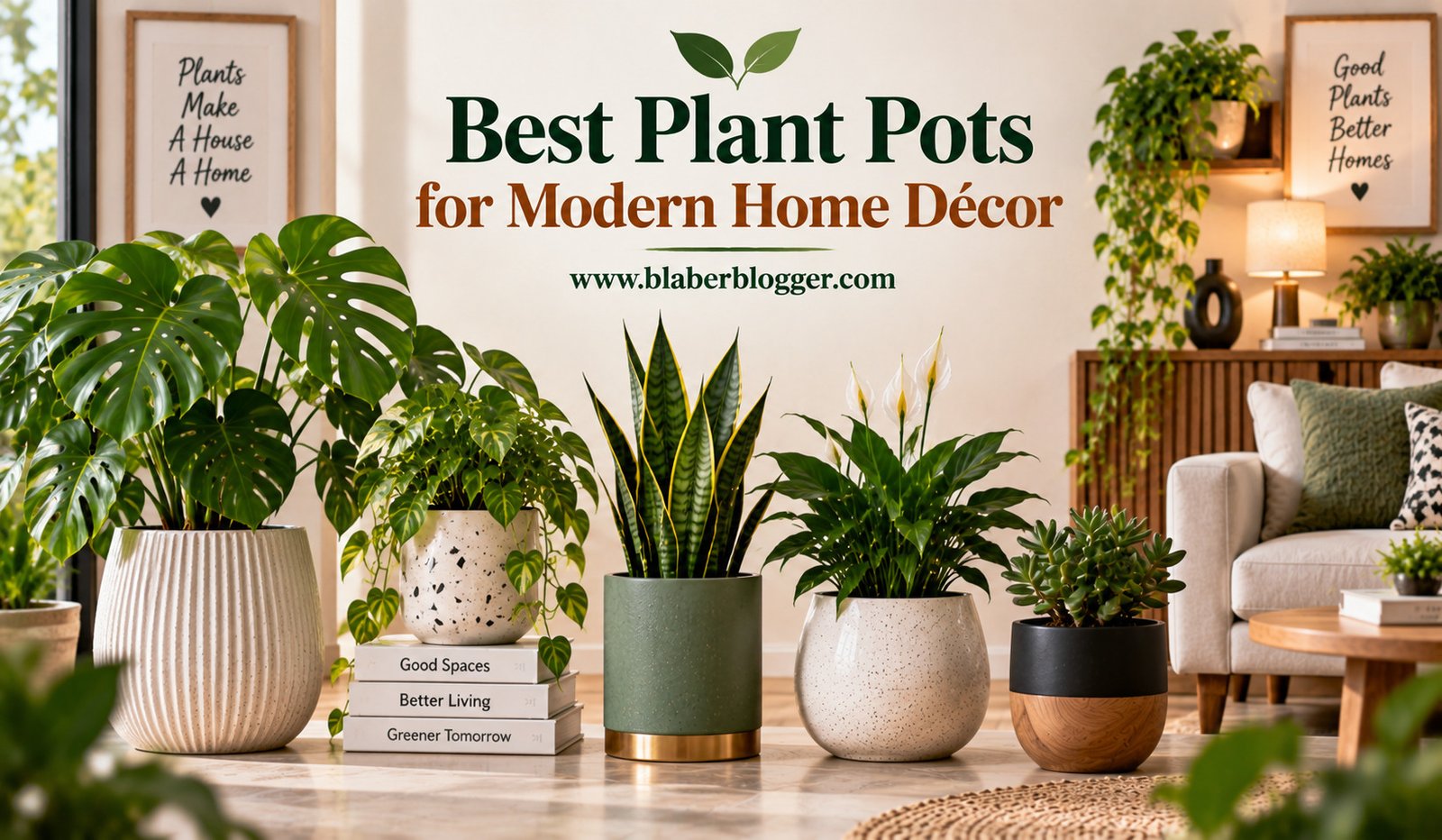
The planter should complement both the plant and the surrounding décor. For a minimalist room, a smooth ceramic pot in white, cream, gray, or black can create a refined appearance. Woven baskets work well when you want to introduce warmth and texture.
For larger artificial trees, choose substantial planters that visually anchor the arrangement. A tall plant in an undersized pot can appear unstable and disproportionate.
Consider these simple planter styling ideas:
- Use neutral pots for a clean contemporary appearance.
- Choose textured containers to add depth to simple rooms.
- Match planter colors with existing furniture or decorative accents.
- Use baskets to soften tall artificial plants and introduce natural texture.
Use Artificial Plants to Fill Empty Corners
Empty corners are often difficult to decorate because small accessories can look insignificant while large furniture may take up unnecessary space. A tall artificial plant provides an easy middle ground.
Place a large plant in a corner beside a cabinet, sofa, console, or reading chair. The height draws attention upward and can make the room feel more complete.
For narrow spaces, choose plants with an upright shape. In larger rooms, fuller trees and palms can provide greater visual impact.
Add Greenery to Shelves and Consoles
Small artificial plants are excellent decorative layers for shelves and consoles. They can be combined with books, framed artwork, sculptures, candles, and other accessories.
Rather than placing plants at equal distances, vary their height and position. A trailing plant can hang over the edge of a shelf, while a compact upright plant can sit beside a decorative object.
Leave some open space between accessories. Modern interiors generally look more sophisticated when every surface is not completely filled.
Create a Balanced Plant Display
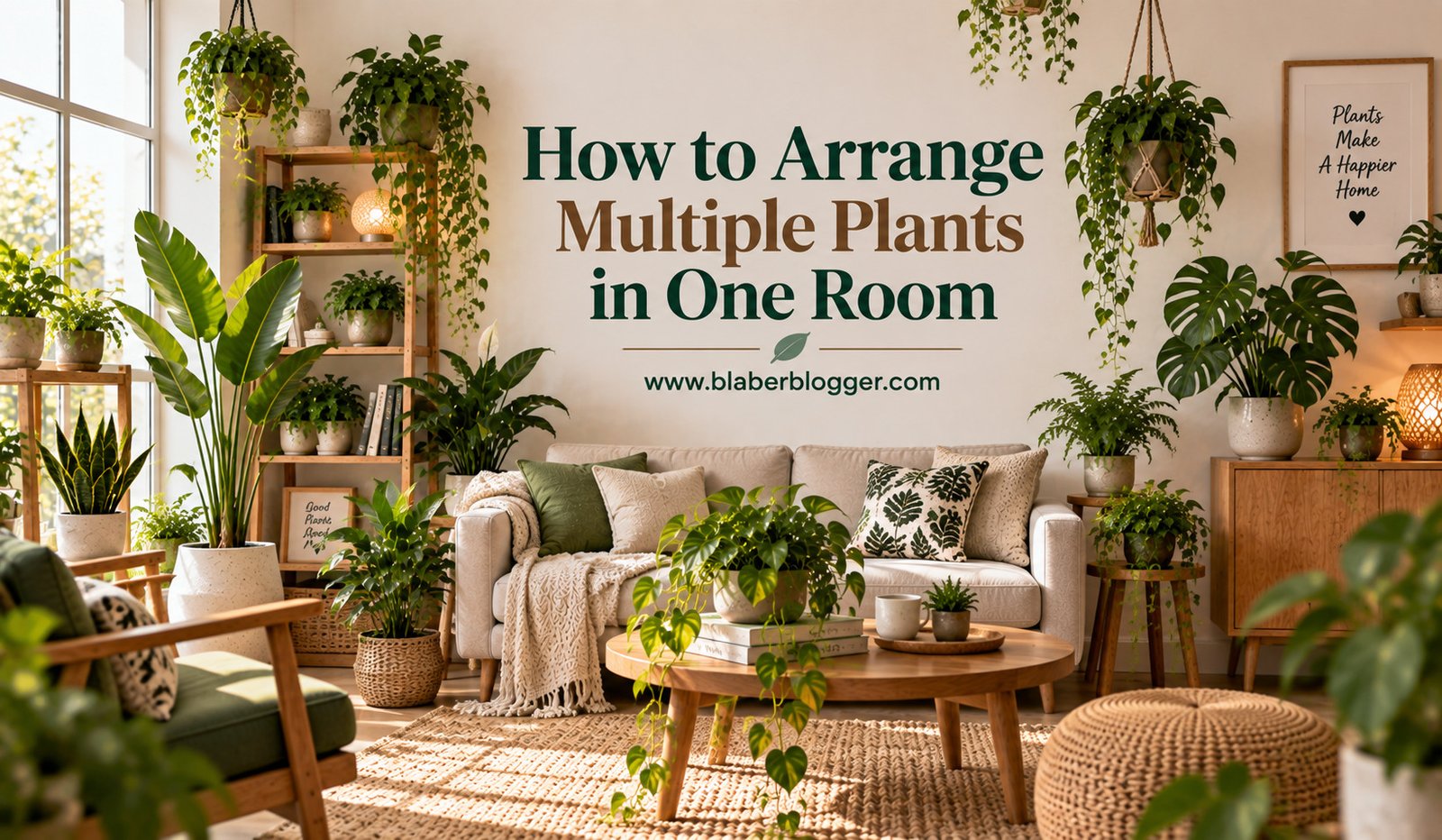
When using several artificial plants in one room, repetition helps create a cohesive appearance. You might use similar planter colors throughout the room while choosing different plant shapes.
Another effective approach is to vary height. A tall artificial tree can serve as the main focal point, while medium and small plants provide supporting details.
Avoid placing too many large plants together. One or two statement pieces can have a stronger effect than a room filled with oversized greenery.
Common Mistakes When Decorating With Artificial Plants
Artificial greenery works best when it feels intentional. Avoid choosing plants simply because they are large or colorful. Consider whether the design suits your existing décor and whether the scale works for the room.
Some common mistakes include:
- Choosing highly glossy or obviously plastic-looking foliage.
- Using a planter that is too small for a tall plant.
- Filling every room with identical greenery.
- Placing too many artificial plants in one small area.
- Ignoring dust and allowing the leaves to become dull.
- Choosing bright, unrealistic colors that clash with the interior.
A smaller, high-quality artificial plant can often look more sophisticated than an oversized low-quality arrangement.
How to Maintain Artificial Plants
Artificial plants are low-maintenance, but they are not completely maintenance-free. Dust can collect on leaves, especially when plants remain in the same position for long periods.
Use a soft cloth, microfiber duster, or gentle cleaning method appropriate for the plant’s material. Occasionally check stems and leaves and reshape them if they have become compressed or uneven.
Frequently Asked Questions
Are artificial plants good for modern home interiors?
Yes. Artificial plants can complement modern interiors by adding greenery, texture, and height without requiring regular plant care. The most convincing results come from realistic foliage and attractive planters.
Do artificial plants need sunlight?
No. Artificial plants do not need sunlight to grow, which makes them suitable for darker rooms and areas where living plants may struggle. However, avoiding harsh conditions that can damage their materials can help preserve their appearance.
How often should artificial plants be cleaned?
Cleaning frequency depends on how quickly dust accumulates in your home. A light dusting every few weeks can help keep the foliage fresh, while deeper cleaning can be done when the leaves begin to look visibly dusty.
Final Thoughts
The best artificial plants for stylish home interiors are those that look natural, suit the scale of the room, and complement the surrounding décor. From tall fiddle leaf figs and elegant olive trees to compact succulents and textured ferns, faux greenery offers plenty of ways to personalize your space.
Focus on realistic foliage, suitable proportions, attractive planters, and thoughtful placement. Instead of covering every empty surface, use artificial plants to create focal points, soften furniture, fill awkward corners, and add layers to shelves and tables.
With the right choices, artificial greenery can become much more than a decorative accessory.