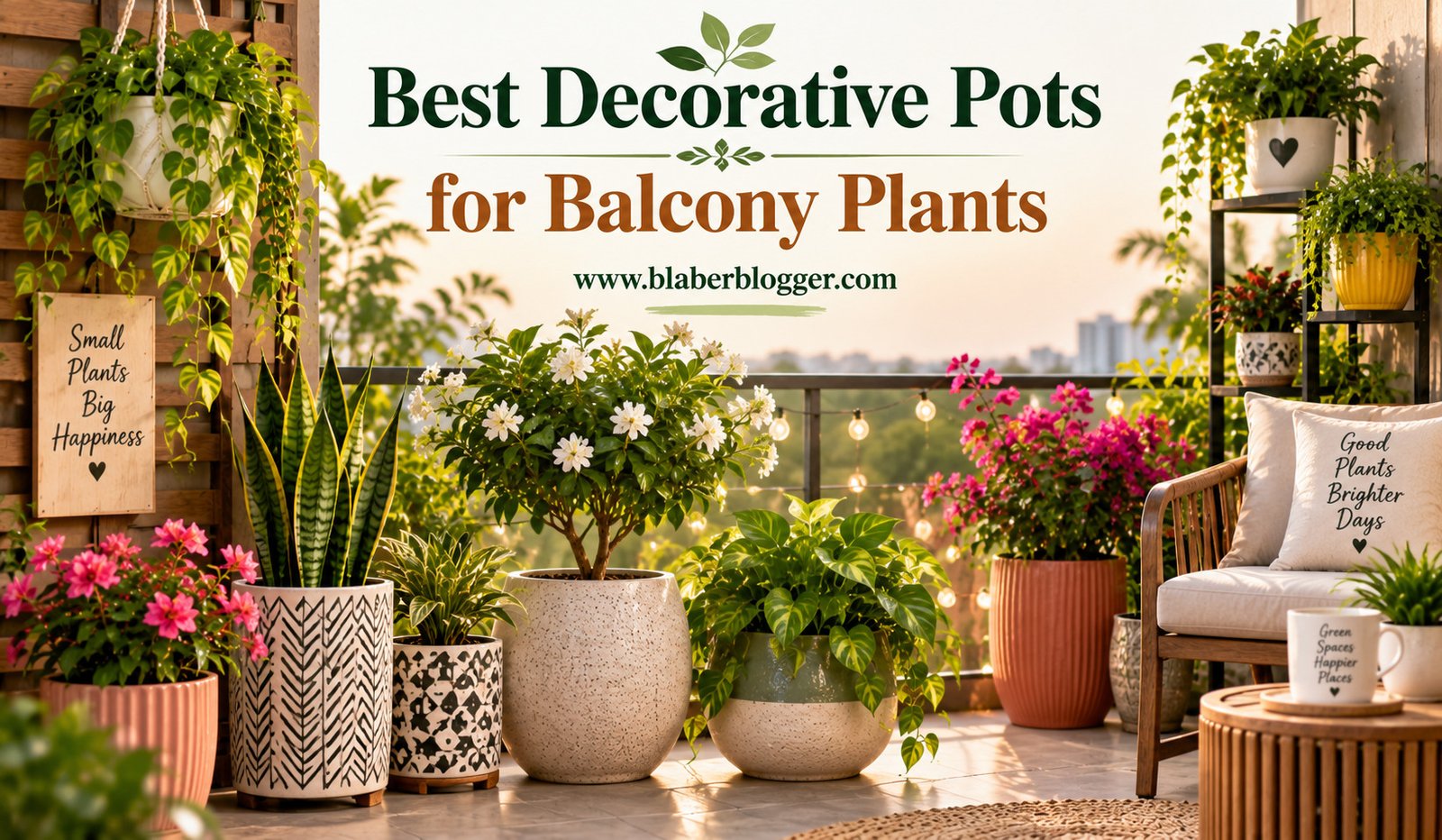
A balcony can become one of the most inviting spaces in a home with the right combination of greenery and decorative pots. While plants bring freshness, color, and natural beauty, the pots you choose play an equally important role in creating an attractive balcony setup. The right decorative pots can complement your outdoor furniture, match your home’s style, and make even a small balcony feel more organized.
From modern ceramic planters to lightweight fiber pots, there are many options available for different plant types and balcony sizes. Choosing the right pot is not only about appearance. Drainage, durability, weight, sunlight exposure, and maintenance should also be considered.
This guide explores some of the best decorative pots for balcony plants and explains how to choose and style them for a beautiful outdoor space.
Why Decorative Pots Matter for Balcony Plants
Decorative pots can transform ordinary balcony plants into eye-catching design elements. A simple green plant can look completely different when placed in a stylish pot that matches the surrounding décor.
Pots also help create a coordinated appearance. Instead of using random containers, you can select similar colors, materials, or shapes to give your balcony a more polished look. They can also be used to create visual height by placing smaller plants on stands or combining pots of different sizes.
A good decorative pot should provide enough space for healthy root growth while offering proper drainage. Choosing a pot based only on appearance may lead to waterlogging, poor growth, or frequent repotting.
Best Types of Decorative Pots for Balconies
Different materials offer different advantages. The best option depends on your balcony style, plant requirements, and how much maintenance you want to manage.
Ceramic Pots for an Elegant Look
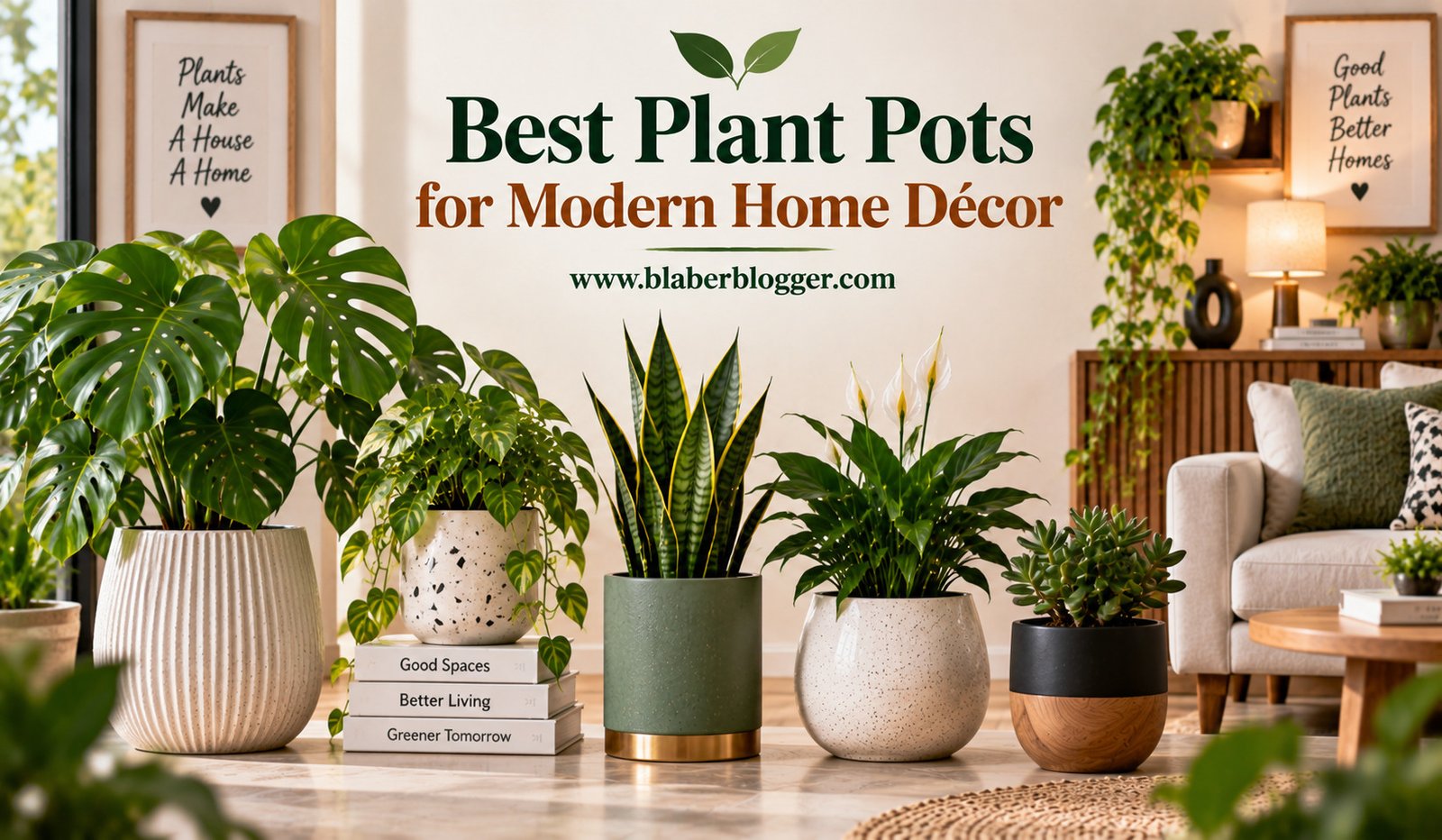
Ceramic pots are ideal for homeowners who want a refined and sophisticated balcony. Their smooth finishes and wide range of colors make them easy to coordinate with modern, traditional, or contemporary décor.
They work particularly well with flowering plants, indoor-outdoor foliage plants, and compact ornamental plants. However, ceramic pots can be heavier than other options, so they should be placed carefully on balconies.
Terracotta Pots for a Natural Feel
Terracotta is a classic choice for balcony gardening. Its warm earthy color works beautifully with green foliage and creates a relaxed, natural atmosphere.
Because terracotta is porous, it allows moisture to evaporate more easily. This can be useful for plants that prefer slightly drier soil. The material can also develop a beautiful aged appearance over time.
Fiber and Resin Pots for Lightweight Styling
Fiber and resin pots are excellent for balconies where weight is an important consideration. They are generally easier to move and can be designed to resemble heavier materials such as stone or ceramic.
These pots are available in many shapes and finishes, making them suitable for modern balconies. Their lightweight construction also makes rearranging plants easier when you want to refresh the layout.
Metal Pots for Modern Balconies
Metal planters can give a balcony a clean and contemporary appearance. Black, white, bronze, and muted metallic finishes can create a stylish contrast against green plants.
Metal pots are especially attractive when used with architectural plants or ornamental grasses. However, they may heat up in strong sunlight, so choosing suitable plants and using an inner container can help protect the roots.
Decorative Pot Styles to Consider
The design of your pots should complement both the plants and the overall balcony décor. Instead of choosing every pot individually, consider creating a consistent visual theme.
| Pot Style | Best For | Balcony Look |
| Ceramic | Flowering and foliage plants | Elegant |
| Terracotta | Herbs and natural greenery | Rustic |
| Resin/Fiber | Large plants | Modern |
| Metal | Architectural plants | Contemporary |
| Patterned Pots | Small plants | Colorful |
| Hanging Pots | Trailing plants | Space-saving |
Using different pot sizes can make the balcony more visually interesting. Large pots can anchor corners, medium pots can fill open areas, and smaller pots can decorate shelves, railings, or tables.
How to Choose the Right Pots for Balcony Plants
Selecting decorative pots becomes easier when you consider practical requirements along with appearance.
Consider the Plant Size
The pot should provide enough room for the plant’s roots without being excessively large. A pot that is too small can restrict root development, while an oversized container may hold too much moisture.
Before buying, consider how quickly the plant grows and whether it will eventually require a larger container.
Check Drainage
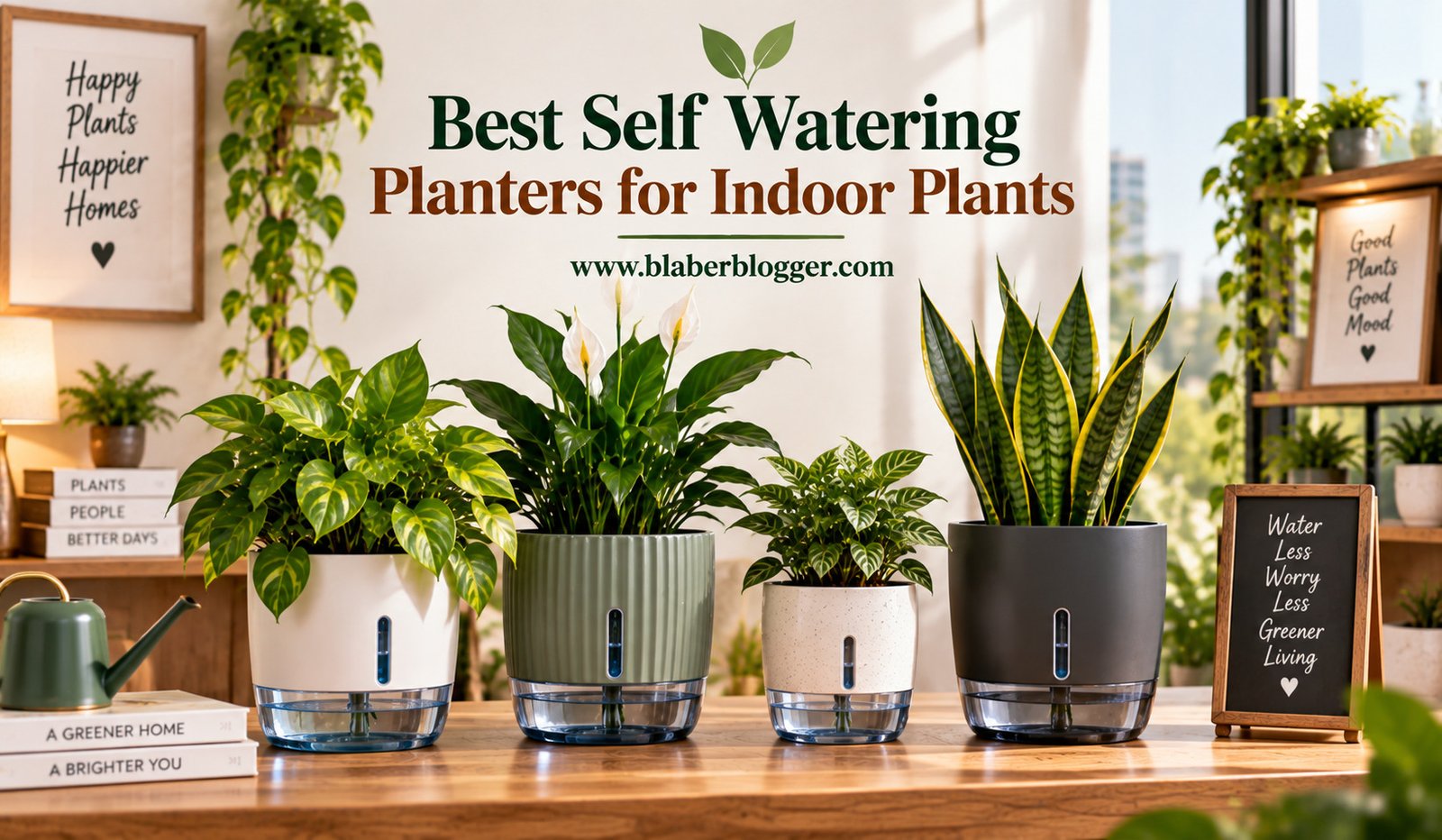
Drainage is one of the most important features of a balcony planter. Excess water can damage roots and create unhealthy growing conditions.
Choose pots with drainage holes and use a suitable saucer or tray to prevent water from staining the balcony floor. Avoid decorative containers that have no way for excess water to escape unless they are being used as outer covers for an inner planter.
Think About Weight
Balcony spaces have practical limitations, so heavy planters should be positioned carefully. If you frequently rearrange your plants, lightweight materials such as resin, fiber, or plastic can be more convenient.
Large ceramic or concrete planters may look impressive but can be difficult to move once filled with soil and plants.
Creative Ways to Style Decorative Pots
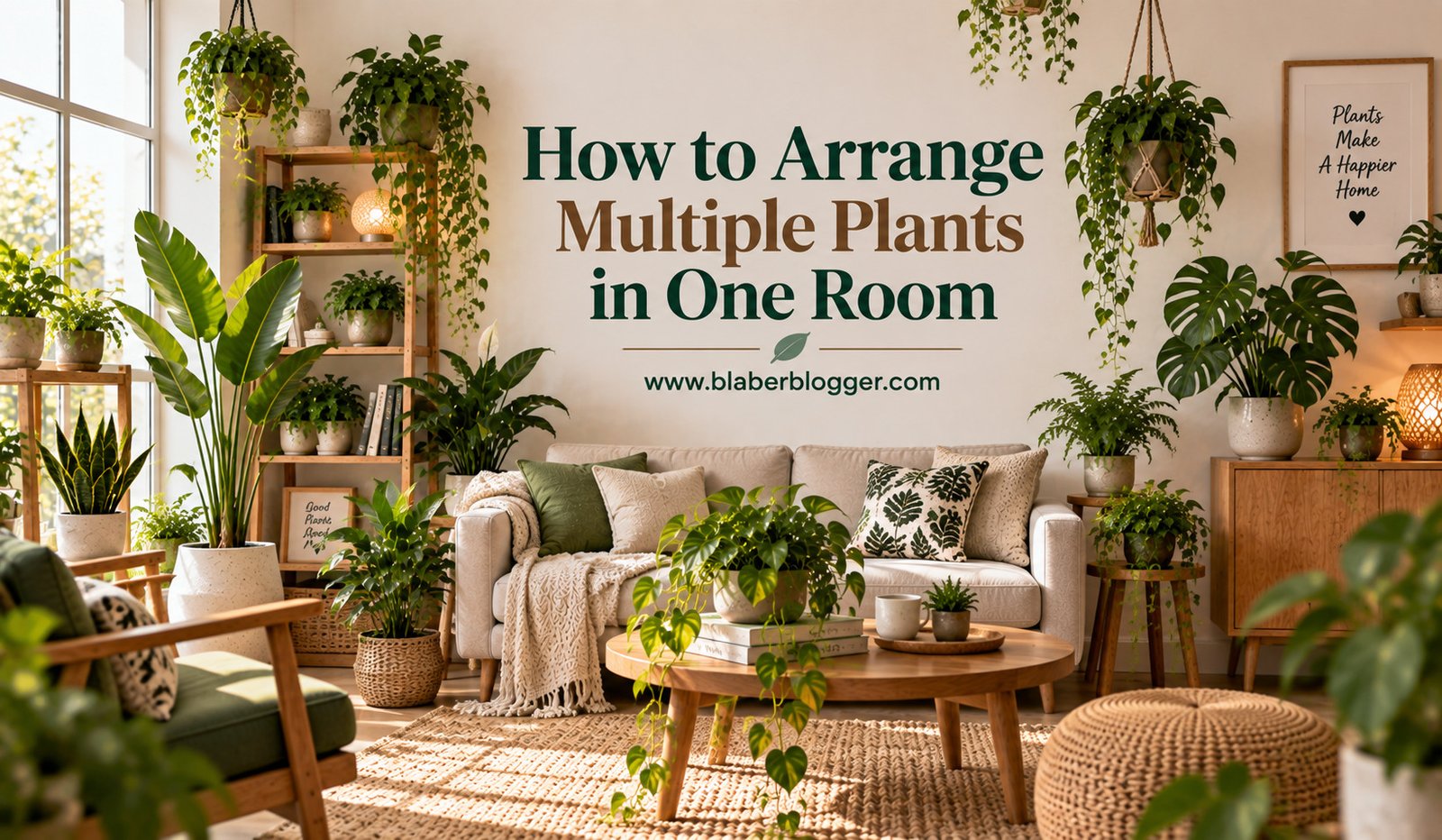
A well-planned arrangement can make even a compact balcony look spacious and attractive. Try combining different heights rather than placing every pot directly on the floor.
- Place tall plants in larger floor pots to create a natural focal point.
- Use small decorative pots on shelves or balcony tables.
- Add hanging planters for trailing plants without using valuable floor space.
- Group pots in similar colors while varying their shapes and sizes.
You can also create a simple color palette. Neutral pots in white, beige, gray, or black provide a timeless appearance, while terracotta and colorful ceramic pots can add warmth and personality.
Matching Pots With Balcony Décor
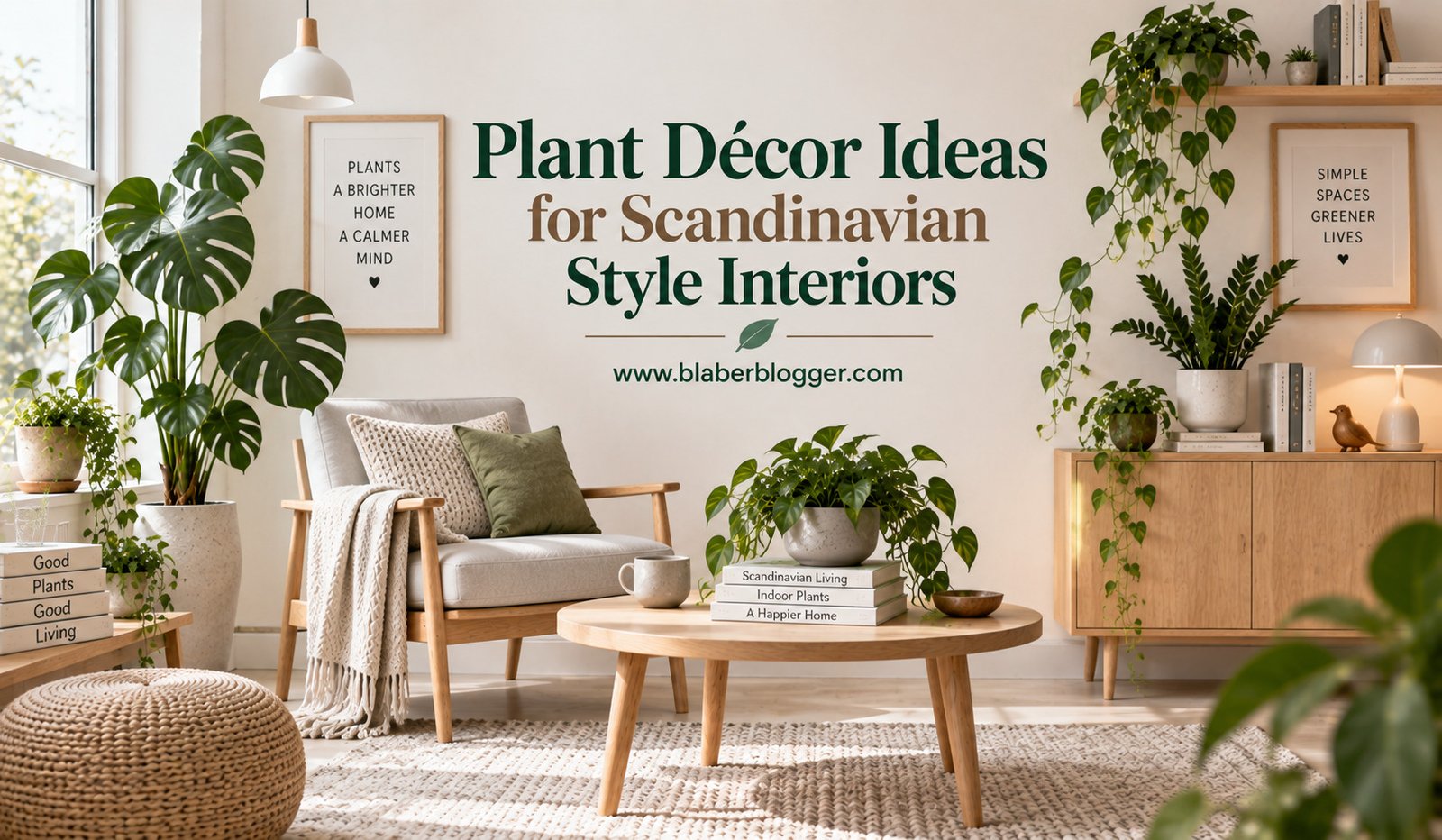
Decorative pots should work with the rest of your balcony rather than compete with it. If your furniture has a minimalist design, simple pots with clean shapes can maintain the same aesthetic. For a bohemian balcony, textured containers and earthy colors can create a relaxed atmosphere.
For a contemporary balcony, matte black or neutral-colored pots can provide an elegant background for green plants. If the space feels plain, patterned or colorful pots can introduce a small amount of visual interest without requiring major changes.
Common Mistakes to Avoid
Choosing beautiful pots is only part of creating a successful balcony garden. A few common mistakes can affect both appearance and plant health.
Avoid overcrowding the balcony with too many large containers. Leave enough walking space and consider how much sunlight each plant receives. It is also important to avoid placing plants in decorative pots that do not provide adequate drainage.
Another mistake is selecting pots that are difficult to move. Balcony arrangements often need adjustment because of seasonal sunlight, weather, or plant growth. Practicality should always be considered alongside style.
Frequently Asked Questions
1. What type of pot is best for balcony plants?
The best pot depends on the plant and balcony. Ceramic and terracotta are attractive choices, while fiber, resin, and lightweight plastic are useful when easy movement and lower weight are priorities.
2. Do balcony pots need drainage holes?
Yes. Drainage holes allow excess water to escape and help reduce the risk of root problems. If you prefer a decorative pot without holes, use it as an outer cover with a separate draining planter inside.
3. Are ceramic pots suitable for balconies?
Ceramic pots can be excellent for balconies because they offer an elegant appearance and good stability. However, they can be heavy, so larger ceramic containers should be positioned carefully.
4. How can I make small balcony pots look stylish?
Use pots of different heights and sizes while keeping their colors or materials coordinated. Hanging planters, shelves, and plant stands can also create layers without taking up too much floor space.
5. How often should balcony plants be repotted?
Repotting depends on the plant, growth rate, and container size. If roots become crowded or water drains unusually quickly, the plant may need a larger pot.
Final Thoughts
The best decorative pots for balcony plants combine beauty with practicality. Ceramic, terracotta, resin, fiber, and metal pots can each create a different atmosphere while supporting healthy plant growth. The key is to select containers that suit your plants, available space, weather conditions, and overall décor.
With thoughtful placement, coordinated colors, and a mixture of pot sizes, even a small balcony can become a stylish green retreat. Instead of treating planters as simple containers, use them as part of your décor to create a balcony that feels welcoming, organized, and naturally beautiful.