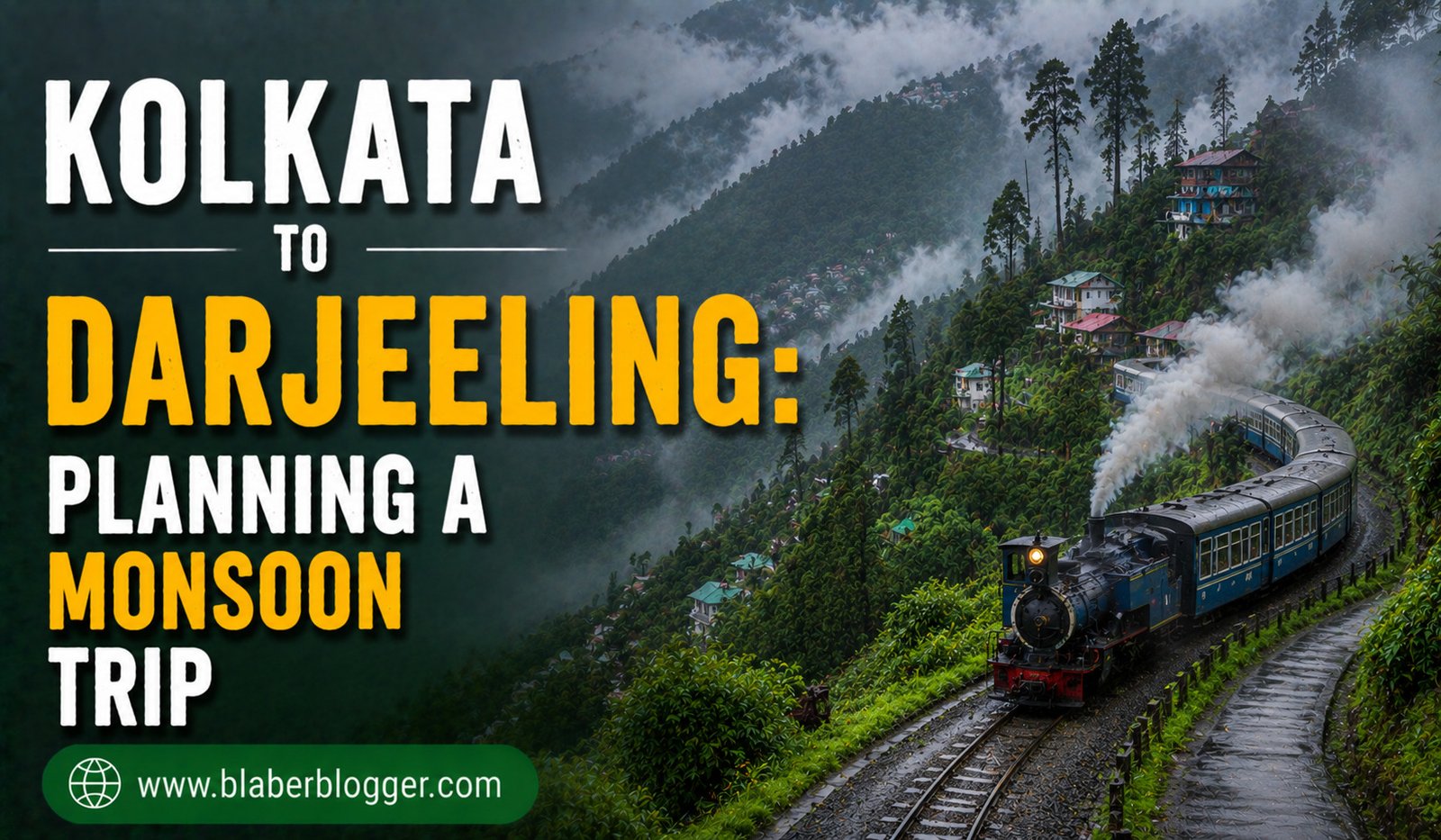
A monsoon trip from Kolkata to Darjeeling is a refreshing way to escape the heat, humidity and busy pace of the city. As the rains arrive, the hills of Darjeeling become greener, tea gardens look freshly washed, waterfalls become livelier and clouds drift through the mountain roads. Although the rainy season can bring unpredictable weather, it also gives the hill town a peaceful and atmospheric character.
Darjeeling is one of those destinations where the journey is almost as enjoyable as the stay. Travelling north from Kolkata takes you through changing landscapes, from the flat plains of West Bengal to the foothills and eventually the winding roads of the Himalayas. By the time you reach Darjeeling, the cool mountain air feels like a complete change of environment.
Planning a monsoon trip requires a little flexibility. Heavy showers can affect road conditions, visibility and sightseeing plans, so the best itinerary is one that leaves enough room for weather-related changes. With sensible preparation, a Kolkata to Darjeeling journey during the rainy season can be an unforgettable mountain getaway.
Why Visit Darjeeling During Monsoon?
Darjeeling looks different during the rainy season. The hills become intensely green, mist often settles over the town and surrounding forests, and tea plantations appear brighter after rainfall.
The monsoon atmosphere is especially enjoyable for travellers who prefer peaceful scenery over crowded tourist attractions. A cloudy morning spent looking across the hills, followed by a cup of freshly brewed tea at a local café, can be just as memorable as a clear mountain view.
Monsoon is ideal for travellers interested in:
- Lush tea gardens and mountain landscapes
- Photography and scenic drives
- Cosy cafés and local food
- Relaxed sightseeing and nature experiences
The main disadvantage is that clear views of the Himalayan peaks are not guaranteed. Clouds and rain may cover Kanchenjunga for much of the day. If your priority is uninterrupted mountain visibility, another season may be more suitable. If you enjoy misty landscapes and greenery, however, monsoon can be rewarding.
Kolkata to Darjeeling Distance and Travel Options
The road distance from Kolkata to Darjeeling is roughly 620 to 650 kilometres, depending on the route and starting point. A direct road journey can take around 14 to 16 hours or longer because of traffic, breaks and mountain-road conditions.
Because of the distance, travelling by road in one stretch can be tiring. Many travellers prefer to reach Siliguri or New Jalpaiguri first and continue to Darjeeling from there.
By Train
One of the most convenient approaches is travelling from Kolkata towards New Jalpaiguri by train and then taking a taxi or other road transport to Darjeeling.
The train option reduces the fatigue of a long road journey and allows you to enjoy the mountain section separately. From New Jalpaiguri, the drive to Darjeeling takes several hours depending on traffic and weather.
Another memorable option is the Darjeeling Himalayan Railway, popularly known as the Toy Train. The heritage railway experience is one of Darjeeling’s most distinctive attractions, although services can be affected by weather and operational conditions.
By Road
Travelling by car gives you more flexibility and allows you to stop along the way. However, the long distance means the trip is best divided into stages.
If you are driving, consider staying overnight around Siliguri before making the mountain journey. This gives you more daylight for the hill section and reduces the strain of a very long drive.
The Monsoon Journey From Kolkata to Darjeeling
The changing landscape is one of the most enjoyable aspects of the trip. The journey begins across the relatively flat terrain around Kolkata and gradually moves through greener countryside as you travel north.
After reaching the foothills, the landscape becomes more dramatic. Roads begin winding through forested areas, rivers and hills appear along the route, and the temperature starts to drop.
During monsoon, this transition becomes even more noticeable. Rain-fed streams, dense greenery and low clouds make the final section of the journey particularly scenic.
Plan Your Mountain Drive Carefully
The mountain section deserves extra attention during the rainy season. Wet roads, fog and sharp bends can reduce visibility.
Start the hill journey during daylight whenever possible. Keep your speed under control, maintain distance from other vehicles and avoid unnecessary stops on narrow road sections.
The most important things to remember are:
- Check weather and road conditions before starting.
- Keep extra time for traffic and rain.
- Avoid driving aggressively on mountain bends.
- Carry water and snacks for unexpected delays.
Best Places to Visit in Darjeeling During Monsoon
Darjeeling has enough attractions to keep visitors occupied even when the weather is not ideal. The key is to combine outdoor activities with places that can still be enjoyed in cloudy or rainy conditions.
Tiger Hill
On a clear morning, visitors may see the Himalayan peaks illuminated by the early sunlight.
During monsoon, however, clouds frequently reduce visibility. Do not be disappointed if the sunrise view is hidden. The surrounding mist and changing colours of the sky can still create a beautiful experience.
If the forecast indicates heavy cloud cover, consider spending the morning elsewhere and trying the viewpoint on another day.
Batasia Loop
Batasia Loop is another popular attraction where the railway track curves through a landscaped area with views of the surrounding hills.
The monsoon greenery gives the location a fresh appearance. When clouds lift, the surrounding landscape can be especially photogenic.
The area is also associated with the Darjeeling Himalayan Railway, making it an interesting stop for travellers who appreciate both scenery and heritage.
Darjeeling Himalayan Railway
The famous Toy Train is one of Darjeeling’s most recognizable experiences. The heritage railway passes through mountain scenery and provides a slower way to appreciate the region.
Monsoon can make the journey atmospheric, with misty hills and rain-washed vegetation surrounding the tracks. However, services may be influenced by weather conditions, so it is wise to check availability before building your entire itinerary around the train.
Himalayan Mountaineering Institute
For a rainy day, the Himalayan Mountaineering Institute is a useful addition to the itinerary. It offers insight into mountaineering history and the spirit of Himalayan exploration.
Nearby attractions can also be combined into a single sightseeing circuit, allowing you to make efficient use of your time.
Explore Darjeeling’s Tea Gardens
Tea is inseparable from Darjeeling’s identity. Visiting a tea estate during monsoon provides an opportunity to see the plantations when the landscape is at its greenest.
Rows of tea bushes cover the slopes, while mist often moves through the surrounding hills. A plantation visit can include a walk through the estate, an introduction to tea production and, of course, a tasting experience.
Why Tea Gardens Are Special During Rain
The rainy season brings out the rich greenery of the plantations. Photography enthusiasts will find plenty of opportunities for landscape shots, while travellers who simply want to slow down can enjoy the peaceful surroundings.
Wear footwear suitable for wet ground and avoid wandering into restricted plantation areas.
Taste Local Food and Darjeeling Tea
Rainy weather naturally makes hot food and beverages more appealing. Darjeeling has a diverse food culture influenced by the communities and cuisines of the Himalayan region.
Visitors can try momos, thukpa, Tibetan-style dishes, local snacks and traditional Indian meals.
Some enjoyable choices include:
- Steaming momos
- Hot thukpa
- Darjeeling tea
- Tibetan-style noodles and soups
Exploring small cafés can be particularly pleasant during monsoon. Sitting beside a window while watching rain move across the hills is often one of the simplest pleasures of the trip.
A Three-Day Darjeeling Monsoon Itinerary
A three-day itinerary works well once you reach Darjeeling, although the overall Kolkata journey may require additional travel time.
| Day | Suggested Plan |
| Day 1 | Arrive in Darjeeling, check in and explore Mall Road and nearby cafés |
| Day 2 | Visit Tiger Hill, Batasia Loop, Himalayan Mountaineering Institute and tea gardens |
| Day 3 | Explore local markets, enjoy the Toy Train if available and begin your return journey |
If travelling directly from Kolkata by road, adding another day is advisable. The long drive can otherwise leave little time for actually enjoying Darjeeling.
Monsoon Packing Checklist
Darjeeling’s weather can change quickly, so travellers should pack for both rain and cool conditions.
Carry a waterproof jacket, umbrella and shoes with good grip. Extra socks and clothing are useful because damp conditions can make a small amount of rain surprisingly inconvenient.
A practical monsoon bag should contain:
- Waterproof jacket or poncho
- Shoes with good traction
- Extra clothes and socks
- Waterproof protection for electronics
- Basic medicines and personal essentials
A small daypack is also useful for sightseeing because you can carry rain protection without taking your main luggage everywhere.
Monsoon Safety Tips
Rain makes the Darjeeling hills beautiful, but it can also create challenging conditions. Slippery roads, fog and occasional landslides are possibilities during periods of heavy rainfall.
Travellers should avoid taking unnecessary risks around steep edges, waterfalls and wet trails. Do not attempt to cross flooded roads or streams simply because they appear shallow.
If travelling by car, allow more time for the mountain section and avoid driving late at night on unfamiliar roads.
Always follow local instructions if a road or attraction has been restricted because of weather.
Best Time During the Monsoon to Visit Darjeeling
The rainy season can be a good choice for travellers who prioritise greenery and atmosphere. The wettest weeks may bring the most dramatic landscapes but can also result in more disrupted travel.
If you prefer a balance between fresh greenery and relatively easier sightseeing, consider travelling around the beginning or end of the monsoon period.
The best strategy is to check the forecast shortly before your departure and keep your itinerary flexible. Mountain weather can change rapidly, and a clear afternoon may appear after a rainy morning.
Is Darjeeling Suitable for a Family Monsoon Trip?
Darjeeling can be a good family destination during the rainy season, provided the itinerary is not too demanding. Attractions such as the Himalayan Mountaineering Institute, tea gardens, heritage railway and local markets offer a mixture of experiences.
Families with young children should be particularly careful on slippery paths and steep roads. It is also useful to have indoor activities available for days when heavy rain limits outdoor sightseeing.
For older travellers, breaking the journey from Kolkata into smaller sections can make the trip considerably more comfortable.
Frequently Asked Questions
1. How far is Darjeeling from Kolkata?
Darjeeling is approximately 620 to 650 kilometres from Kolkata by road, depending on the route. A direct drive can take around 14 to 16 hours or more, so many travellers prefer to travel to New Jalpaiguri or Siliguri first.
2. Is Darjeeling worth visiting during monsoon?
Yes, especially if you enjoy greenery, misty hills, tea gardens and cool weather. However, clear Himalayan views are less reliable during the rainy season.
3. How many days are needed for a Kolkata to Darjeeling trip?
A minimum of four to five days is more comfortable when travel time from Kolkata is included. Three days can work if you travel by train or flight to the region and focus mainly on Darjeeling.
4. What should I pack for Darjeeling during monsoon?
Carry waterproof outerwear, comfortable non-slip shoes, extra socks and clothes, waterproof bags for electronics and basic medicines. A light warm layer is also useful because the hills can feel cool and damp.
5. Is it safe to travel to Darjeeling during the rainy season?
Travel can be enjoyable when weather conditions are favourable, but heavy rain can affect roads and visibility. Check conditions before travelling, allow extra time and follow local advice regarding roads and attractions.
Conclusion
A Kolkata to Darjeeling monsoon trip offers much more than a simple change of scenery. It is a journey from the humid plains of West Bengal to the cool, misty hills of the Himalayas, with tea gardens, forests, heritage railways and mountain views along the way.
The rainy season may hide Kanchenjunga and occasionally disrupt sightseeing, but it also brings out Darjeeling’s quieter and greener side. The hills look fresh, waterfalls become more active and the atmosphere is perfect for enjoying hot tea and local food.
For the best experience, avoid rushing. Plan your journey in stages, leave room for weather changes and choose comfortable accommodation where you can enjoy the mountain atmosphere even when it rains.
Whether you travel by road, train or a combination of both, Darjeeling during monsoon can be a memorable escape from Kolkata—one filled with misty mornings, lush tea gardens, winding mountain roads and the unmistakable charm of the hills.