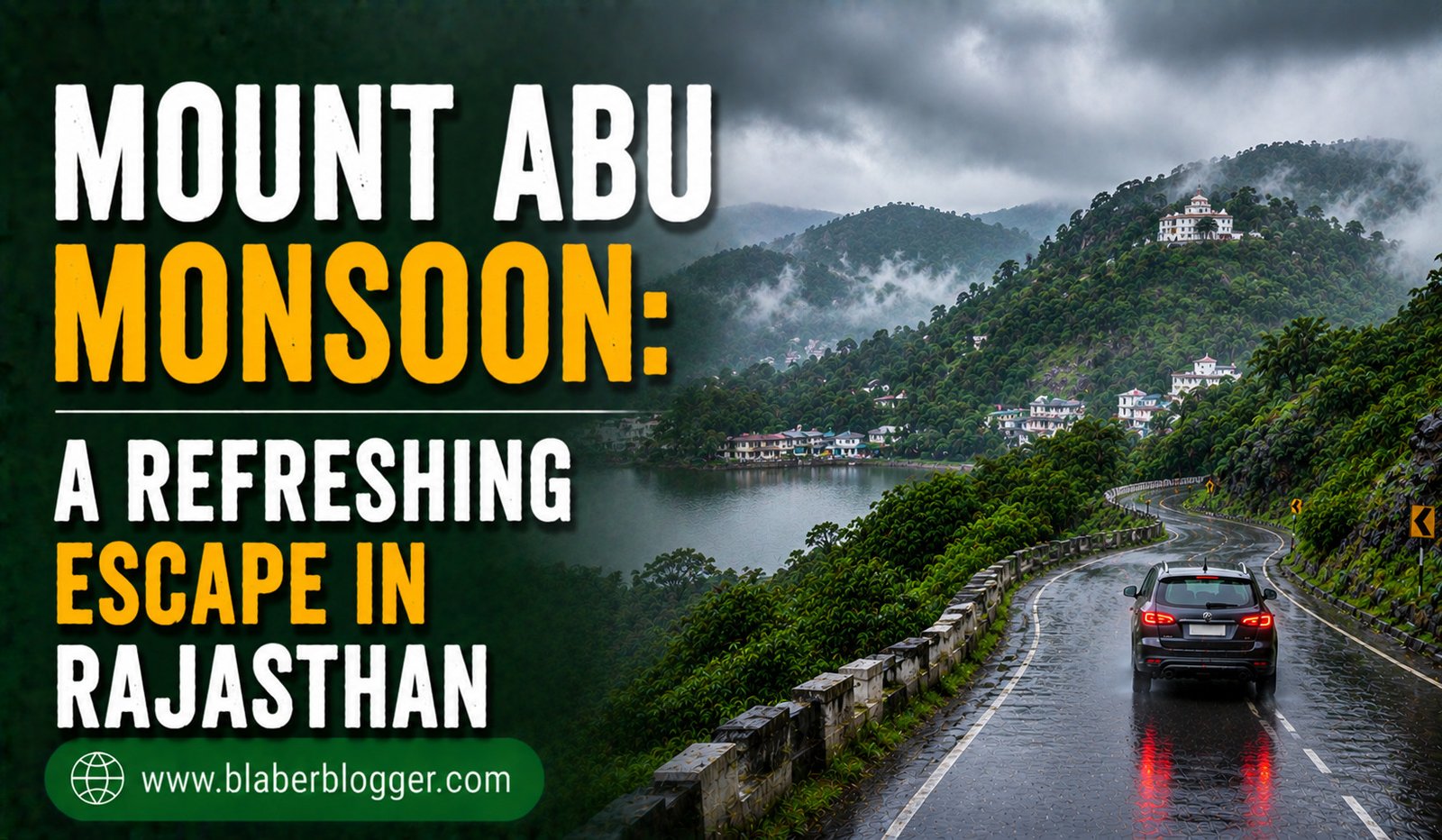
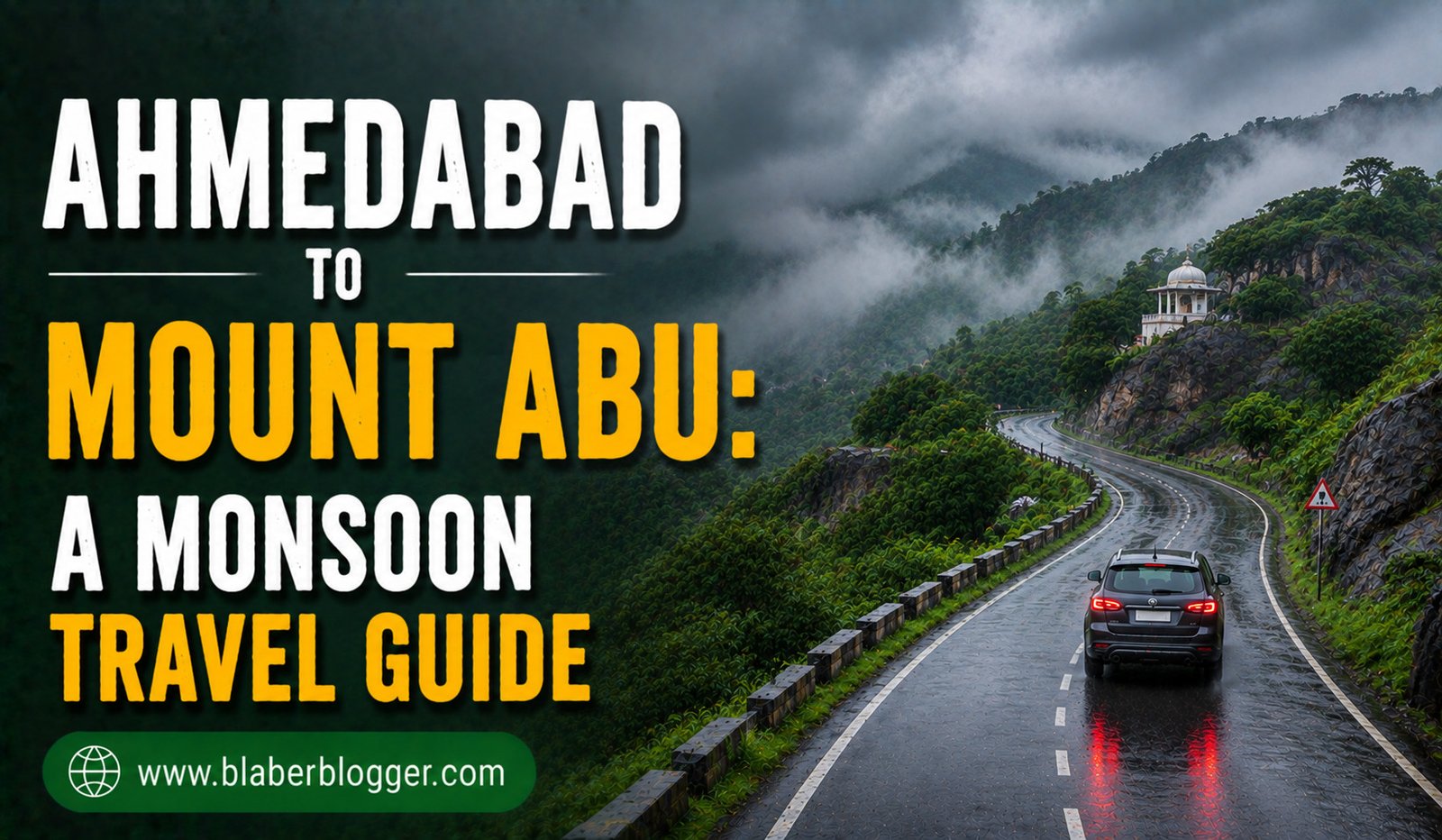
A monsoon journey from Ahmedabad to Mount Abu is a refreshing escape from the heat and dry landscapes of Gujarat. When the rains arrive, the Aravalli hills surrounding Mount Abu become greener, waterfalls become more active and clouds often settle over the mountains. The change in scenery makes the journey feel like a completely different holiday from the usual Rajasthan or Gujarat getaway.
Mount Abu is Rajasthan’s only major hill station, and its elevated location gives it a cooler climate than the surrounding plains. During monsoon, the destination becomes particularly appealing to travellers looking for greenery, lakes, viewpoints and peaceful walks.
The road trip from Ahmedabad is also convenient enough for a weekend. With the right planning, you can enjoy the drive, explore Mount Abu’s major attractions and return without making the trip feel rushed.
Why Visit Mount Abu During Monsoon?
Mount Abu has a unique advantage during the rainy season. While many parts of western India can remain hot and dry, the hill station receives enough rainfall to transform its landscape.
The slopes become greener, small streams appear around the hills and Nakki Lake often looks more inviting under cloudy skies. Mist can also create a beautiful atmosphere around viewpoints and forest roads.
A monsoon trip is especially suitable for travellers who enjoy:
- Green hills and misty landscapes
- Lakes and viewpoints
- Heritage temples and local culture
- Relaxed road trips and nature photography
The weather can be unpredictable, however. Heavy showers may temporarily affect visibility and make some outdoor areas slippery. A flexible itinerary is therefore much better than trying to follow a strict sightseeing schedule.
Ahmedabad to Mount Abu Distance and Route
The road distance between Ahmedabad and Mount Abu is approximately 225 to 235 kilometres, depending on the route and your starting point. Under normal conditions, the drive can take around four to five hours.
A commonly used route travels north from Ahmedabad towards Himmatnagar and then towards Abu Road before ascending into Mount Abu.
Start Early for a Comfortable Journey
Leaving Ahmedabad early in the morning is a good idea. It helps you avoid some city traffic and gives you enough daylight for the mountain section.
The road journey is relatively straightforward for most of the route, but the final climb towards Mount Abu involves winding roads. Rain can make these roads slippery, so drivers should reduce speed and maintain a safe distance.
If you are travelling with family, take at least one proper break along the way. A relaxed journey is much more enjoyable than trying to reach Mount Abu as quickly as possible.
The Monsoon Landscape on the Way to Mount Abu
One of the pleasures of this road trip is watching the landscape gradually change. Ahmedabad’s urban surroundings eventually give way to open countryside and agricultural areas.
As you approach the Aravalli region, the landscape becomes hillier and greener. During monsoon, clouds can gather around the mountain slopes, creating dramatic views from the road.
The final section of the journey is especially scenic. However, avoid stopping at random roadside locations for photographs. Use designated stopping areas or safe parking spaces.
Explore Nakki Lake
Nakki Lake is one of Mount Abu’s most famous attractions and a natural starting point for exploring the hill station.
During monsoon, the lake and its surrounding hills can look particularly attractive. Cloudy skies create reflections on the water, while the surrounding vegetation becomes greener.
Enjoy the Lake at a Relaxed Pace
Boating can be enjoyable when weather conditions are suitable, but activities may be restricted during heavy rain or rough conditions.
Even without boating, walking around the lake area and enjoying the surrounding scenery can be a pleasant experience. The nearby market also provides opportunities to shop for local handicrafts, snacks and souvenirs.
Evenings around Nakki Lake can be lively, but a rainy or cloudy day often gives the area a more relaxed atmosphere.
Visit Guru Shikhar
Guru Shikhar is the highest point in the Aravalli range and offers panoramic views across the surrounding landscape.
On a clear day, the views can stretch across the hills and valleys. During monsoon, clouds and mist may partially cover the landscape, but this creates a different kind of visual experience.
When Should You Visit?
Try visiting when visibility is reasonable. If heavy clouds completely block the view, consider returning later in the day.
The road towards the viewpoint can be affected by rain, so drive carefully and follow local instructions.
Explore the Dilwara Temples
The Dilwara Temples are among Mount Abu’s most important architectural attractions. Known for their detailed marble craftsmanship, the temples offer an impressive contrast to the natural landscapes around the hill station.
A visit here is particularly useful during monsoon because it provides a cultural and architectural experience that does not depend on clear weather.
Visitors should maintain the required decorum and follow photography restrictions where applicable.
Why Add Heritage to a Monsoon Itinerary?
A good rainy-season itinerary should include both indoor and outdoor attractions. If a sudden shower interrupts your plans, a heritage site can keep the day interesting.
The combination of temples, lakes, viewpoints and forest scenery makes Mount Abu more versatile than a destination focused on only one type of attraction.
Explore Mount Abu Wildlife Sanctuary
The Mount Abu region is surrounded by forest and forms part of a protected wildlife landscape. The monsoon brings fresh greenery to the area and can make forest scenery particularly attractive.
However, wildlife areas should always be explored responsibly. Follow designated routes, avoid disturbing animals and respect local restrictions.
Heavy rain can also make some routes difficult. Check local conditions before planning a deeper excursion into the forest.
Visit Sunset Point and Honeymoon Point
Mount Abu has several viewpoints where visitors can enjoy the surrounding hills. Sunset Point is one of the better-known locations for evening views.
Monsoon sunsets are unpredictable. Clouds may completely cover the horizon, but when the sky begins to clear after rain, the changing colours can create beautiful scenes.
Honeymoon Point is another popular viewpoint offering views across the surrounding landscape.
Instead of expecting a perfect sunset, treat these viewpoints as places to enjoy the atmosphere and scenery.
A Two-Day Ahmedabad to Mount Abu Itinerary
A two-day trip is enough to cover many of Mount Abu’s major attractions.
| Day | Suggested Plan |
| Day 1 | Early departure from Ahmedabad, reach Mount Abu, visit Nakki Lake, local market and Sunset Point |
| Day 2 | Visit Dilwara Temples, Guru Shikhar, nearby viewpoints and begin the return journey |
For a more relaxed holiday, three days would be better. An additional day gives you time to explore the sanctuary, enjoy local cafés and adjust your plans if rain interrupts sightseeing.
What to Eat in Mount Abu
A road trip is never complete without trying local food. Mount Abu has a mixture of Rajasthani, Gujarati and North Indian influences.
Monsoon weather makes hot snacks and warm meals particularly appealing. You can explore local restaurants around the main market and lake area.
Some options worth trying include:
- Dal baati churma
- Gujarati-style snacks
- Hot pakoras and tea
- Local sweets
If you are travelling with family, try a mixture of traditional dishes and familiar options rather than relying entirely on one type of cuisine.
Monsoon Packing Guide
Mount Abu can be cool and damp during rainfall, so pack accordingly. Even if Ahmedabad feels warm when you leave, the hill station may require an extra layer.
Carry:
- Lightweight rain jacket or umbrella
- Comfortable shoes with good grip
- Extra clothes and socks
- Waterproof bags for electronics
- Light jacket for cooler evenings
A small backpack is useful for sightseeing, particularly if you plan to visit viewpoints or walk around the lake.
Monsoon Driving Tips
The Ahmedabad-Mount Abu road trip is relatively easy compared with longer mountain journeys, but the final hill section requires caution.
Wet roads, fog and sharp bends can reduce visibility. Maintain a moderate speed and avoid sudden braking.
A few simple precautions can make the drive safer:
- Check the weather before leaving Ahmedabad.
- Inspect tyres, brakes and windshield wipers.
- Avoid speeding on mountain roads.
- Keep enough daylight for the hill section.
- Do not stop in unsafe roadside areas.
If heavy rain reduces visibility significantly, find a safe location and wait rather than continuing through difficult conditions.
Best Time During Monsoon to Visit Mount Abu
Mount Abu can be attractive throughout the rainy season, but the experience depends on your preference.
The wetter part of the season is ideal if you want greener hills, mist and flowing streams. Travellers who prefer easier sightseeing and better visibility may enjoy the later monsoon period.
The best approach is to check the forecast shortly before travelling and keep some flexibility in your plans.
Is Mount Abu Suitable for a Family Monsoon Trip?
Yes. Mount Abu offers a good combination of attractions for families. Lakes, temples, viewpoints and markets provide options for different age groups.
Families with young children should be careful around slippery paths and lake edges. Avoid venturing onto wet rocks near waterfalls or attempting activities during unsafe weather.
Older travellers may prefer a relaxed itinerary with fewer walking-heavy attractions. A comfortable hotel and a flexible schedule can make the trip much more enjoyable.
Frequently Asked Questions
1. How far is Mount Abu from Ahmedabad?
Mount Abu is approximately 225 to 235 kilometres from Ahmedabad by road. The journey generally takes around four to five hours, although traffic, weather and breaks can increase the travel time.
2. Is Mount Abu worth visiting during monsoon?
Yes. Monsoon brings greenery, mist and fresh water to the hills, making the destination particularly scenic. It is an excellent season for travellers who enjoy nature and cooler weather.
3. How many days are enough for an Ahmedabad to Mount Abu trip?
Two days are sufficient for the major attractions, but three days allow for a more relaxed experience. Extra time is especially useful if rain affects your sightseeing plans.
4. What should I carry for Mount Abu during monsoon?
Carry rain protection, non-slip footwear, extra clothes, waterproof protection for electronics and a light jacket. The hill station can feel considerably cooler than Ahmedabad, particularly after rainfall.
5. Is it safe to drive from Ahmedabad to Mount Abu during monsoon?
The journey can be safe when weather conditions are favourable, but the mountain section requires additional caution. Drive slowly, check road conditions and avoid travelling through severe weather when visibility is poor.
Conclusion
An Ahmedabad to Mount Abu monsoon trip is an easy way to experience the greener and cooler side of the Aravalli hills. The relatively short distance makes it suitable for a weekend, while the destination offers enough variety to keep the trip interesting.
From the calm waters of Nakki Lake and the views from Guru Shikhar to the intricate Dilwara Temples and forested landscapes, Mount Abu combines nature, heritage and relaxation in one destination.
The monsoon adds another layer to the experience. Mist-covered hills, rain-washed roads and fresh greenery create a refreshing contrast to Ahmedabad’s urban surroundings.
For the best road trip, start early, drive carefully, carry suitable rain gear and avoid packing too many attractions into a single day. Give yourself time to enjoy the weather and scenery rather than simply ticking destinations off a list.
Whether you are travelling with family, friends or a partner, Ahmedabad to Mount Abu is a rewarding monsoon getaway that combines a scenic drive with the peaceful charm of Rajasthan’s only major hill station.